Your attention is a gift
At Wheaton Commencement, speakers urge graduates to use their education to uplift others
At Wheaton College’s 191st commencement, the members of the Class of 2026 were challenged to think deeply about how they will use their education to strengthen communities, expand opportunity and bring people together.
“Your attention is among your most precious resources,” said Wheaton President Michaele Whelan, noting that technology and media companies earn trillions from turning consumer attention into advertising revenue. “Where you place it will shape your life. It will determine what you learn, whom you understand, what you build and who you become.”
Quoting philosopher Simone Weil’s observation that “Attention is the rarest and purest form of generosity,” Whelan encouraged graduates to become careful listeners, empathetic leaders and engaged citizens.
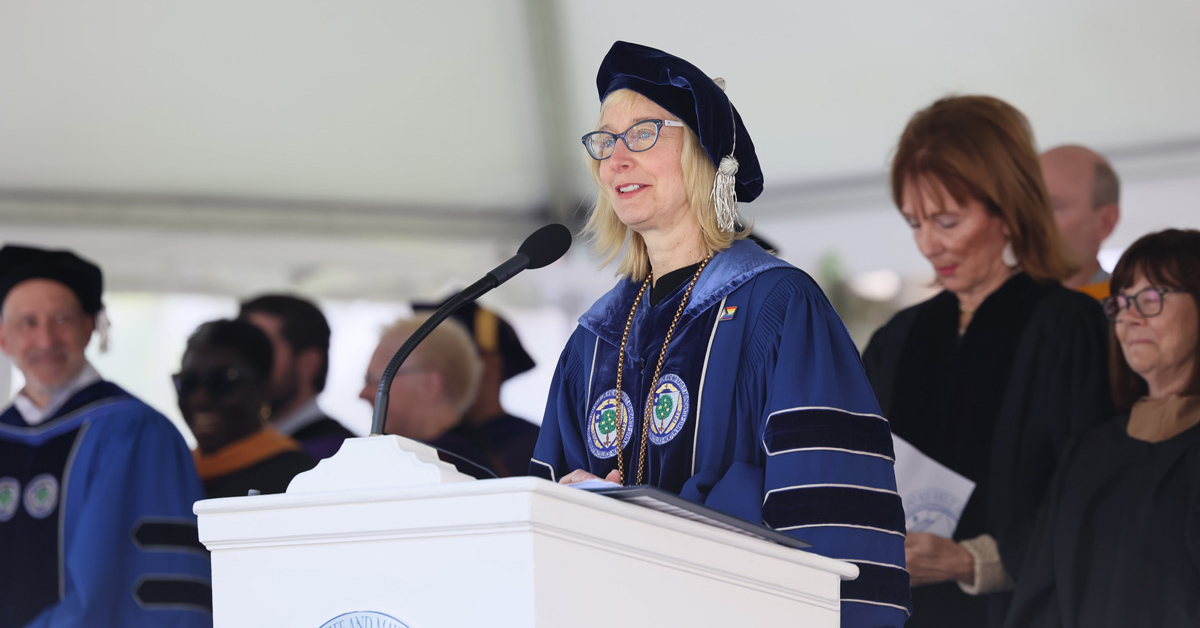
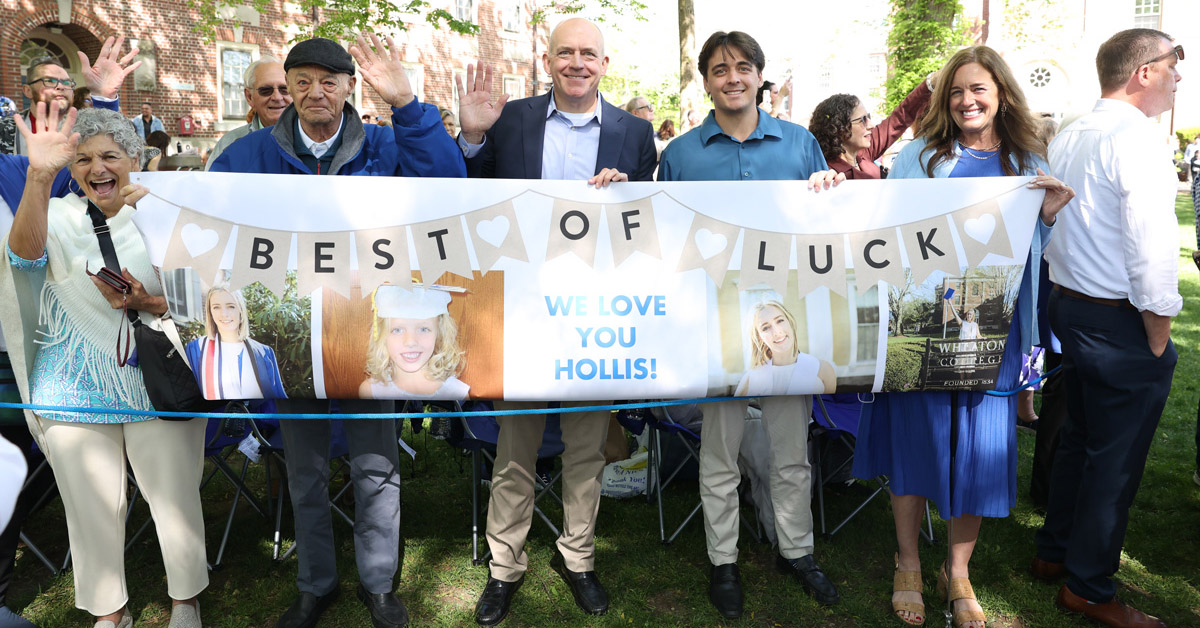
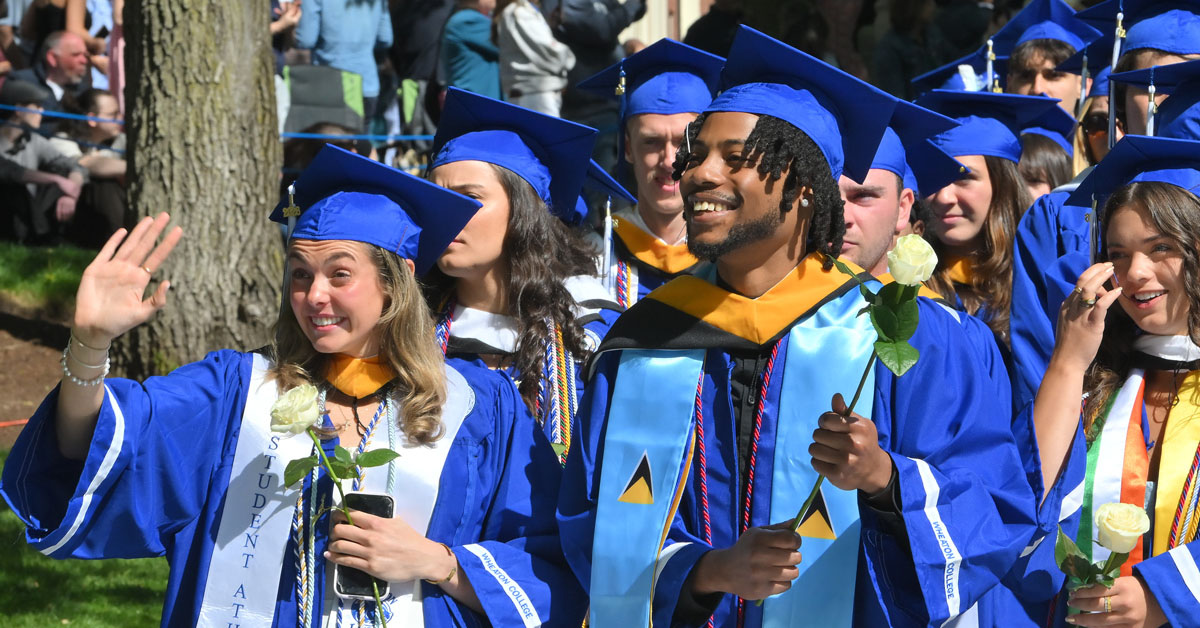
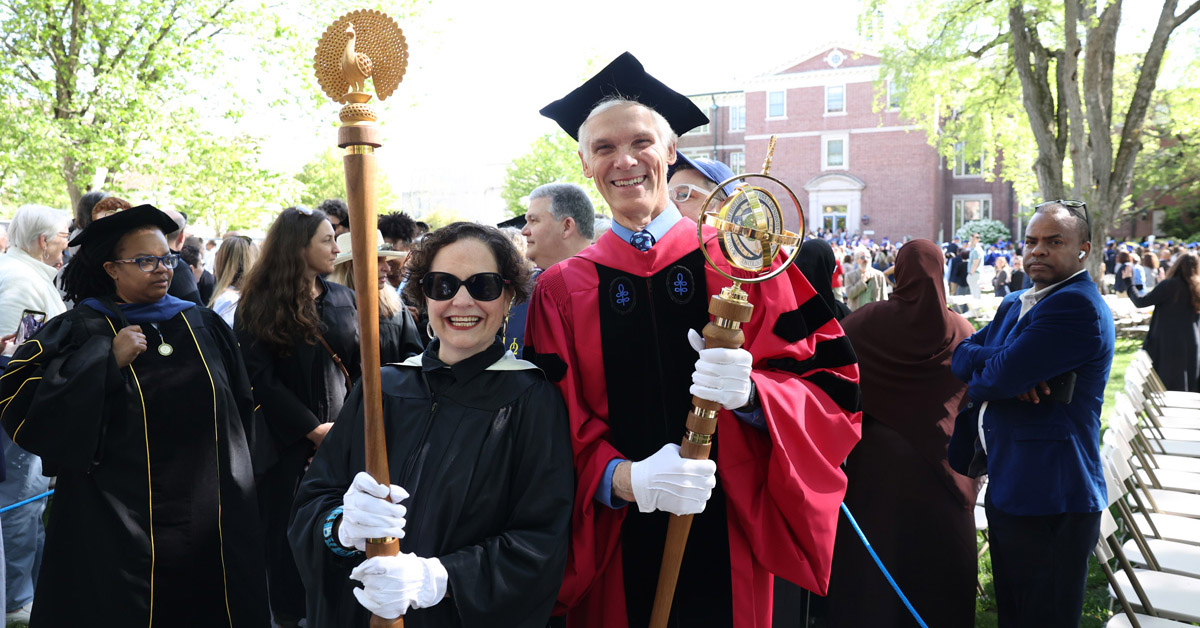
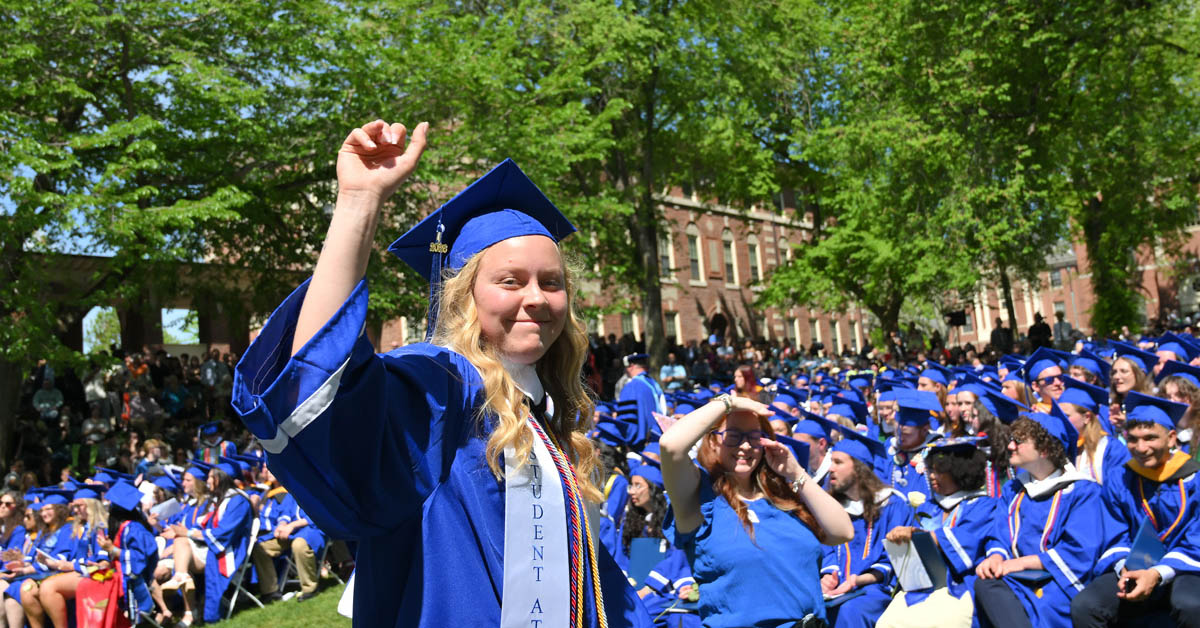
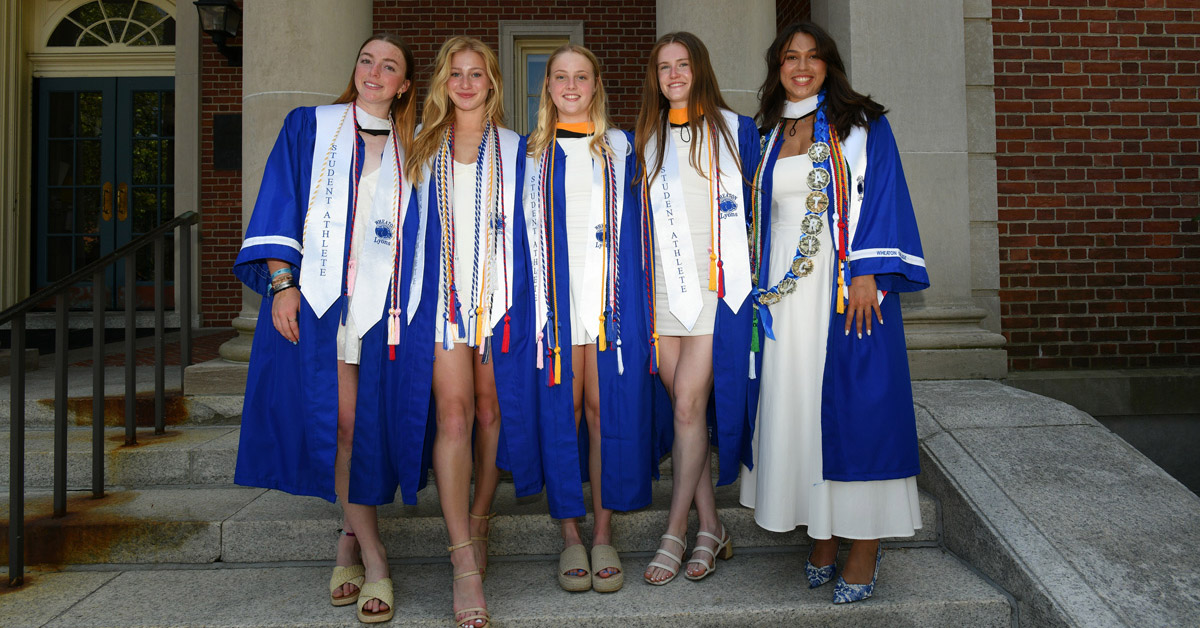
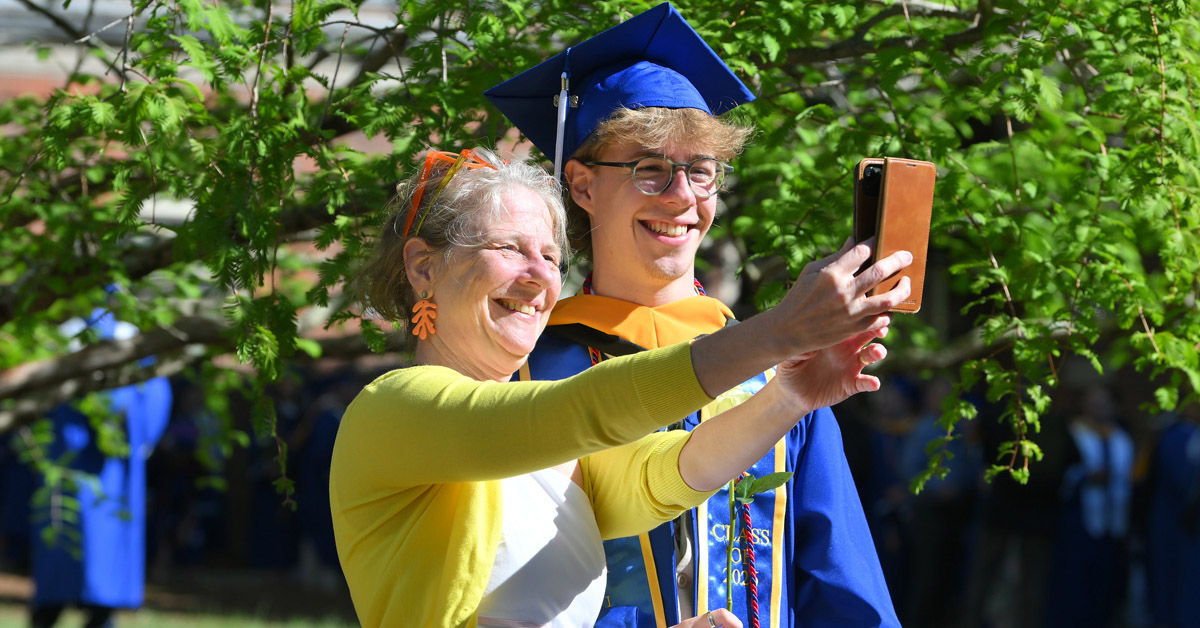
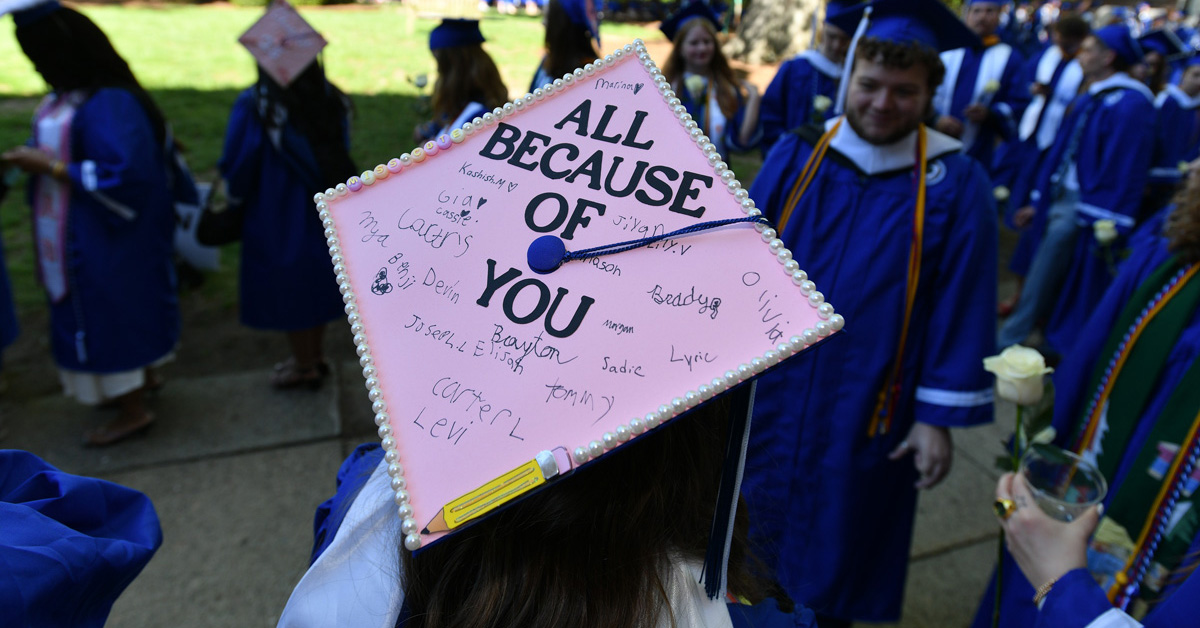
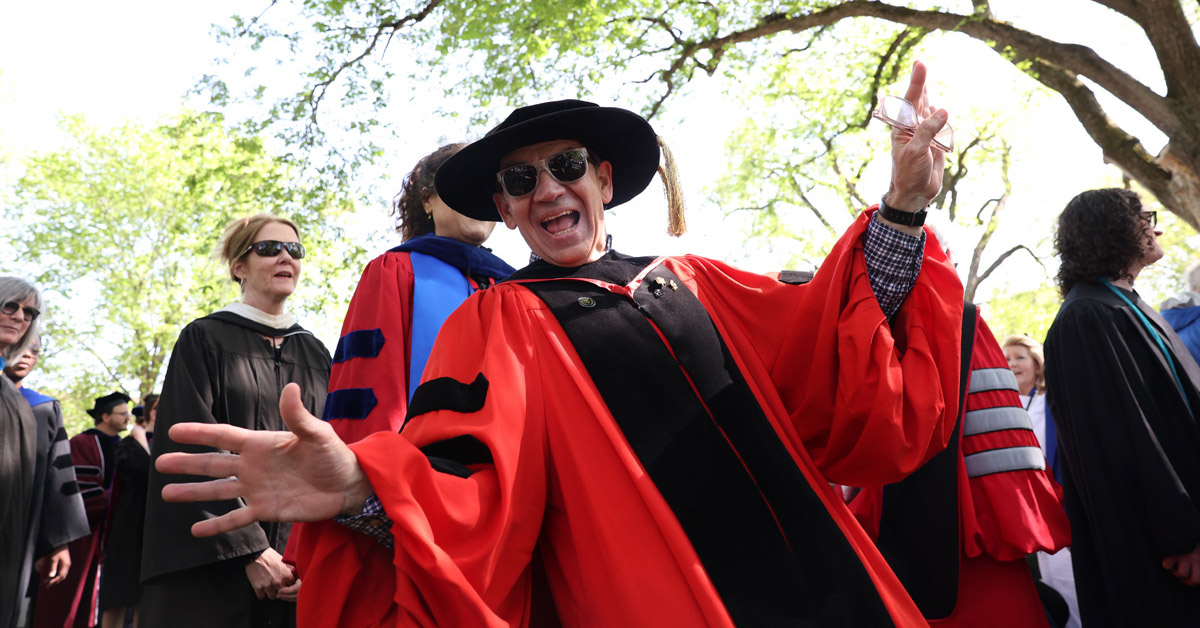
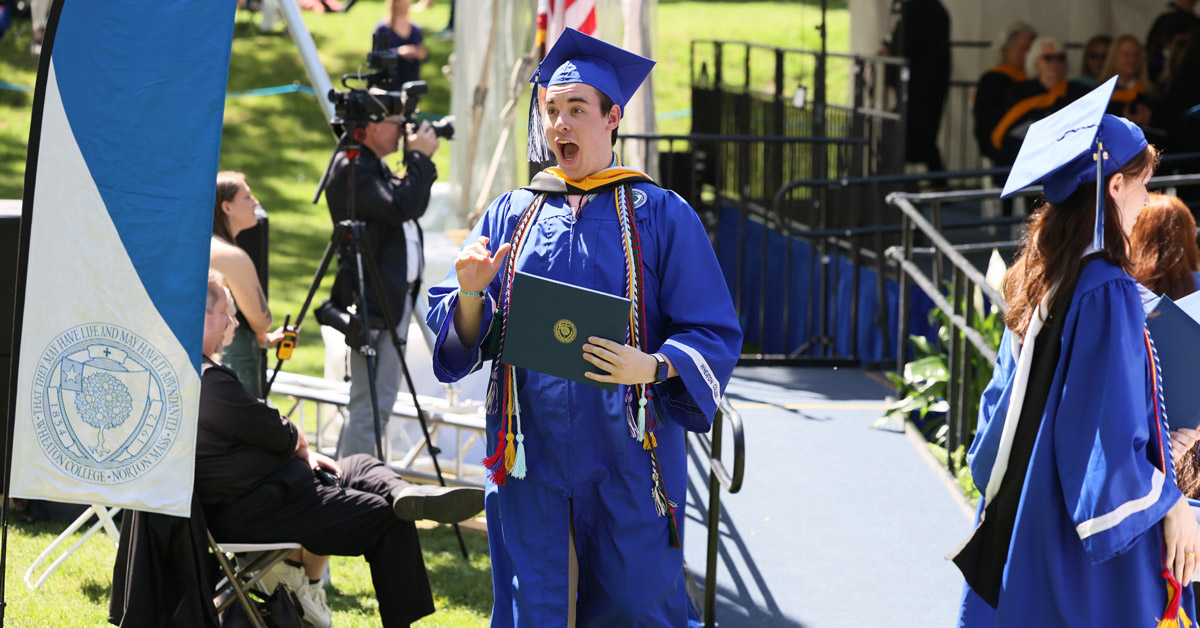
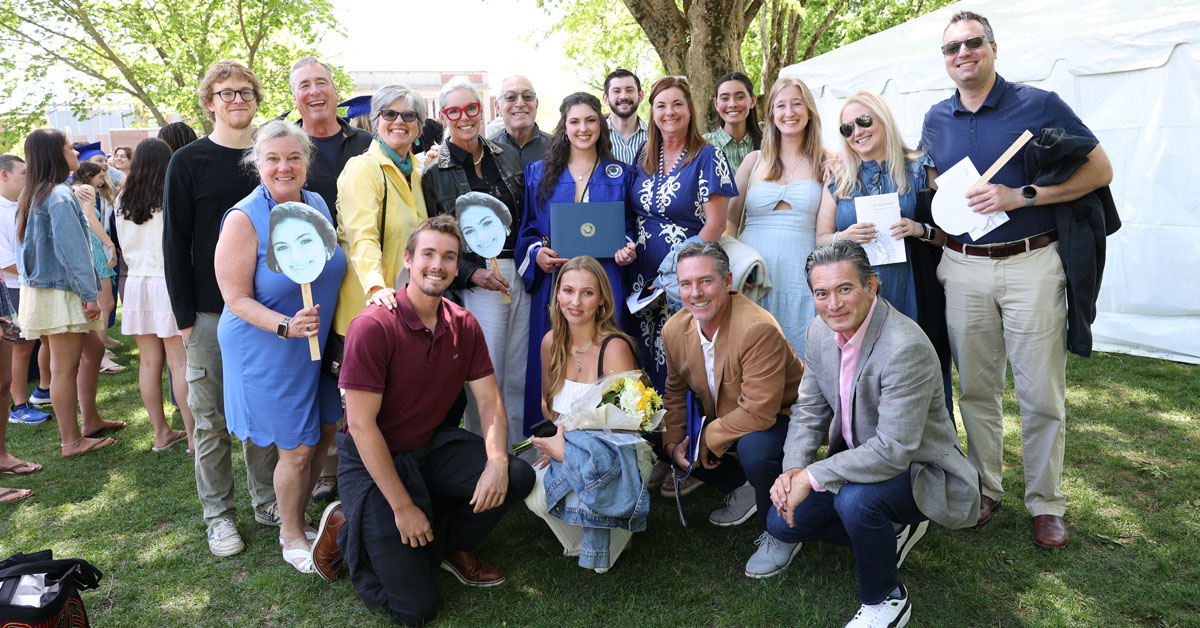
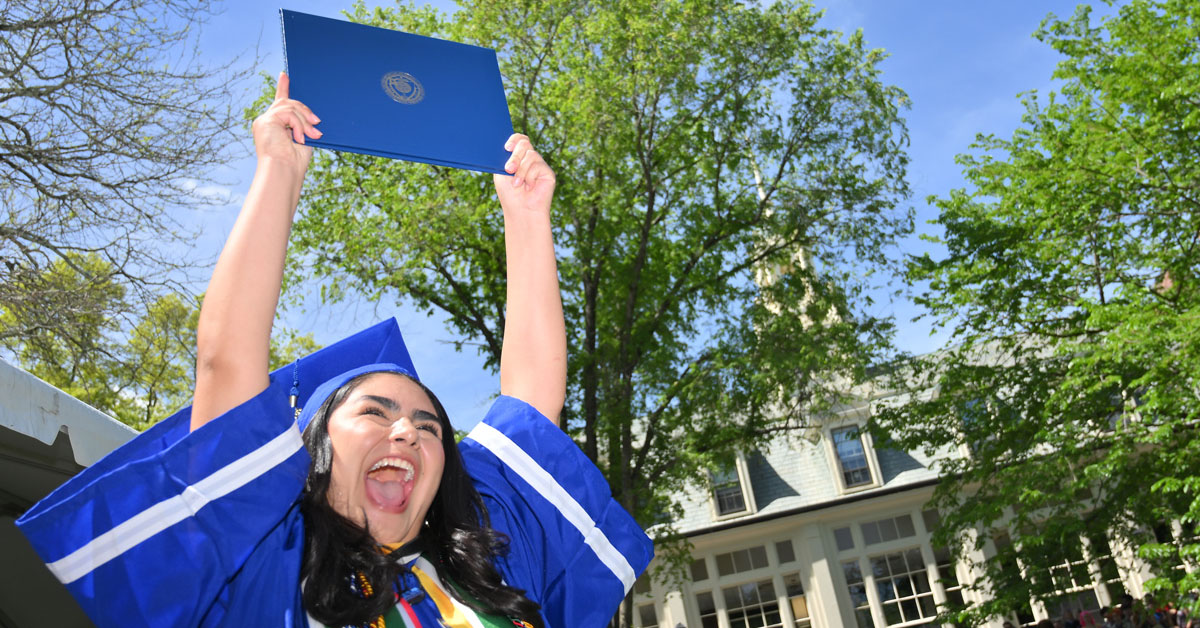
The graduation ceremony took place in bright sunshine on Wheaton’s central quadrangle, known as the Dimple, with the 392 members of the Class of 2026 surrounded by their family and friends, more than 300 alumni visiting campus to celebrate their reunion and the college’s faculty and staff.
“You have learned to listen carefully, to think critically, to communicate with clarity and compassion, to engage across differences and to search for common ground,” President Whelan said. “These are the skills and values that sustain communities—and strengthen democracy.”
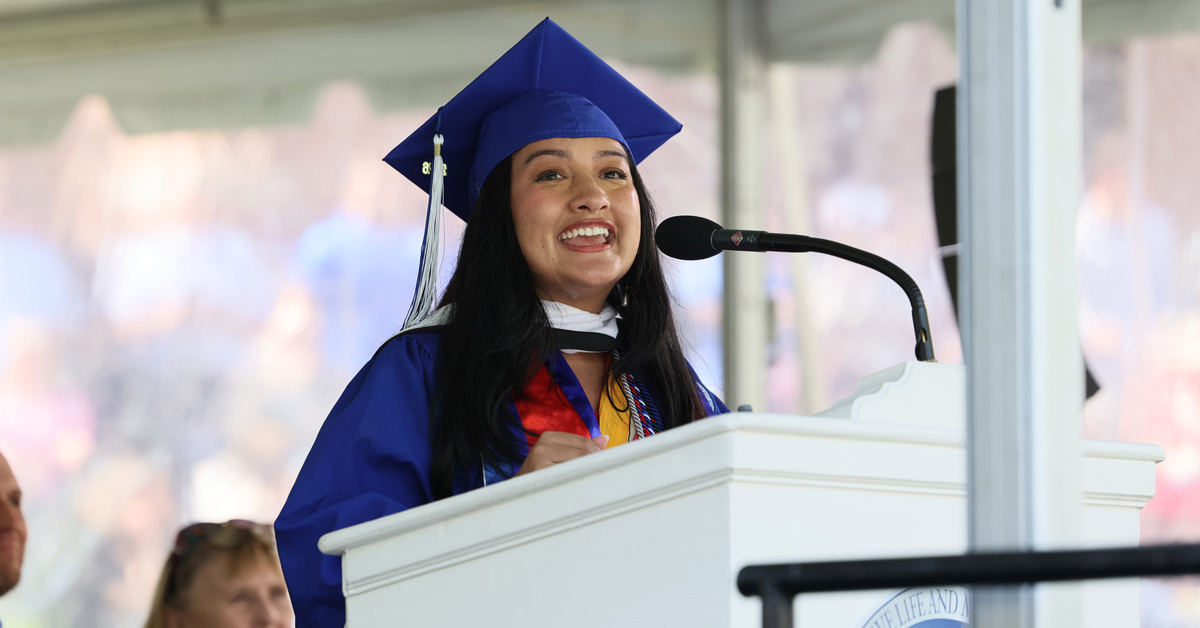
The responsibilities of interdependence—the reality that all human beings rely on each other to thrive and prosper—proved to be the theme of the day. Prabidhi Malla ’26, the chair of the Class of 2026, told her classmates, “The choices we make, the work we do and the direction we follow do not just affect us. They affect the people around us and the world that we are a part of. So stay curious, and stay aware and keep learning.”
After receiving an honorary Doctor of Humane Letters, Georgia Wall Gogel ’71, a lawyer and a longtime advocate for foster youth, offered a vivid example of the power of caring for others in her remarks. She recalled a searing visit to the Graham School in New York more than three decades ago, where she encountered a teenage foster child in crisis.
“That crushing statement of utter hopelessness — ‘No one will ever love me!’ — haunted me then and still haunts me to this day,” Gogel said.
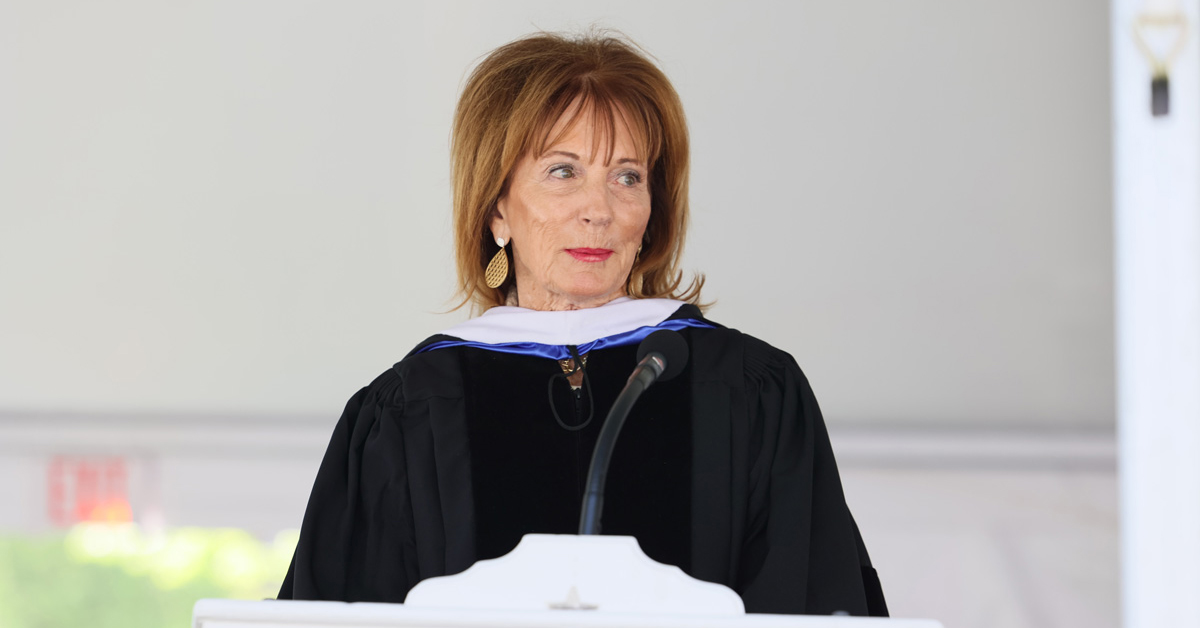
The experience led her to begin working on the school’s behalf and led to the transformation of Graham Windham, one of the nation’s oldest child welfare organizations, for which she served as a board member for 30 years, including 19 as chair of the board. Highlighting what is possible, she pointed to the success of the organization’s Graham SLAM coaching and mentoring model, which dramatically improved high school graduation rates for participating foster youth and is now being adopted by other agencies in the New York Tri-State area.
“Systemic change is not only possible. It is the mandate for each one of us. It is the whole purpose of our education. To improve our lives and the lives of those in the world around us,” Gogel said, referencing the frieze over the entrance to the college’s library. “That they may have life and may have it abundantly!”
Jabari Asim, a writer, cultural critic and educator who also received an honorary Doctor of Letters from the college, focused his remarks on storytelling, intellectual inquiry and the importance of defending authentic human expression during a time of rapid technological change.
“I write from two impulses,” he said. “The first is to indulge my curiosity … The second is to set the record straight.”
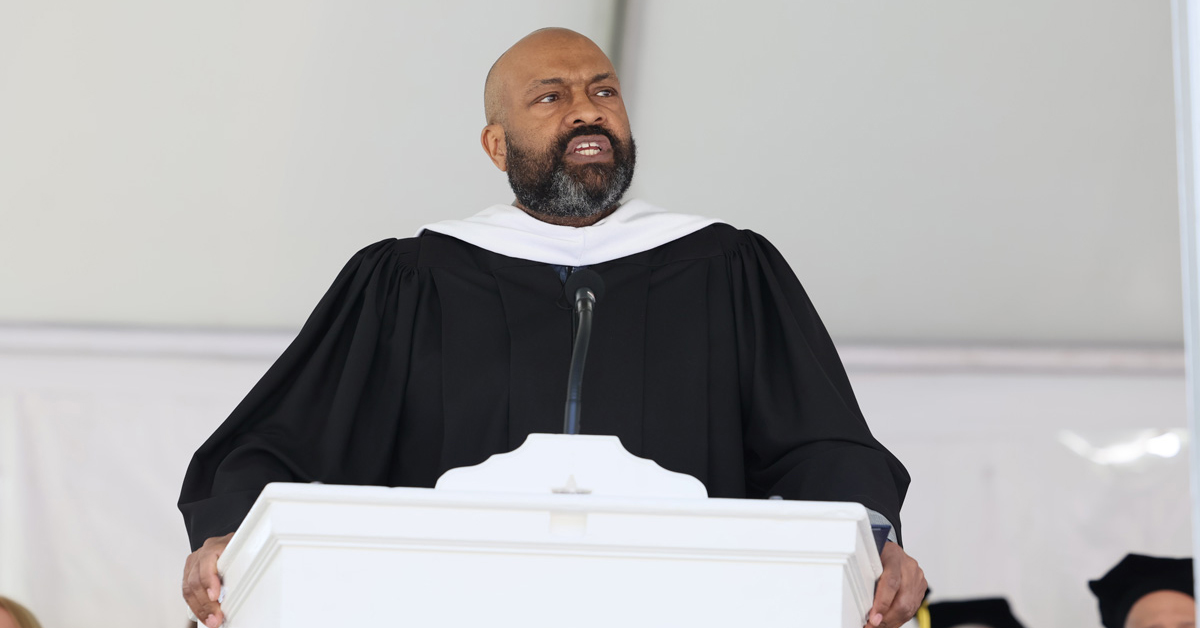
Drawing on memories of growing up surrounded by storytellers in his neighborhood, Asim described stories as essential to understanding both history and humanity. He warned against allowing technology and artificial intelligence to diminish genuine communication or critical thought.
“It might seem quaint to talk about the power of storytelling during a time when AI encroaches daily on our creative capacity, our vocabularies, all the quirks and turns of phrases that animate our reasoning and our conversations,” said Asim. “We must assert that no machine can plumb the depths of our experience, no software can express the deepest longings of our hearts, no technology can equal the limitless expanse of our ideas.
“As you leave Wheaton College and go forth into the world, armed with your diplomas and your eyes on the future, may you always be learning, may you always be sharing, may you always be rising.”