
Whether you dream of becoming a clinician, researcher, counselor or working in fields like HR, marketing or education, your research experience at Wheaton will give you a competitive edge. With diverse opportunities and psychology research labs across campus, you can choose the best fit for your personal interests and career goals. Graduate with the scientific and analytical skills employers and graduate programs value most.
Research Opportunities
Research is woven into the curriculum all four years. You’ll test, challenge and expand psychological theories and even conduct your own independent study.
Co-Researcher
Collaborate with faculty as a co-researcher during the academic year. You’ll have the opportunity to present your research at regional and national conferences, such as the New England Psychological Association, or co-author scholarly publications.
Volunteer
Volunteer in any lab as a study participant or lab assistant. Help design materials, conduct literature searches, collect data, or even collaborate on presentations for the American Psychological Association.
Paid Summer Internship
Turn your research into a full-time summer job through our Wheaton Summer Science Research Program. You’ll receive a stipend and on-campus housing to dedicate 8-10 weeks to sustained, focused research with a faculty mentor.
Honors Thesis
Design and execute your own study and present your conclusions in your Senior Capstone. This is not your typical undergrad research paper. This is graduate-level work to prepare you for advanced study or to enter directly into the workforce.
Competitive Edge
Your research experience at Wheaton opens doors to competitive academic and professional opportunities.
- Present your findings at regional and national conferences
- Co-author scholarly articles with faculty
- Increase your candidacy for winning prestigious, national awards, such as Psi Chi Undergraduate Research Grants
- Enhance your application for master’s programs or research-focused careers by working or volunteering in our labs
- Earn accelerated admission the Clinical Psychology Master’s program at our partner institution
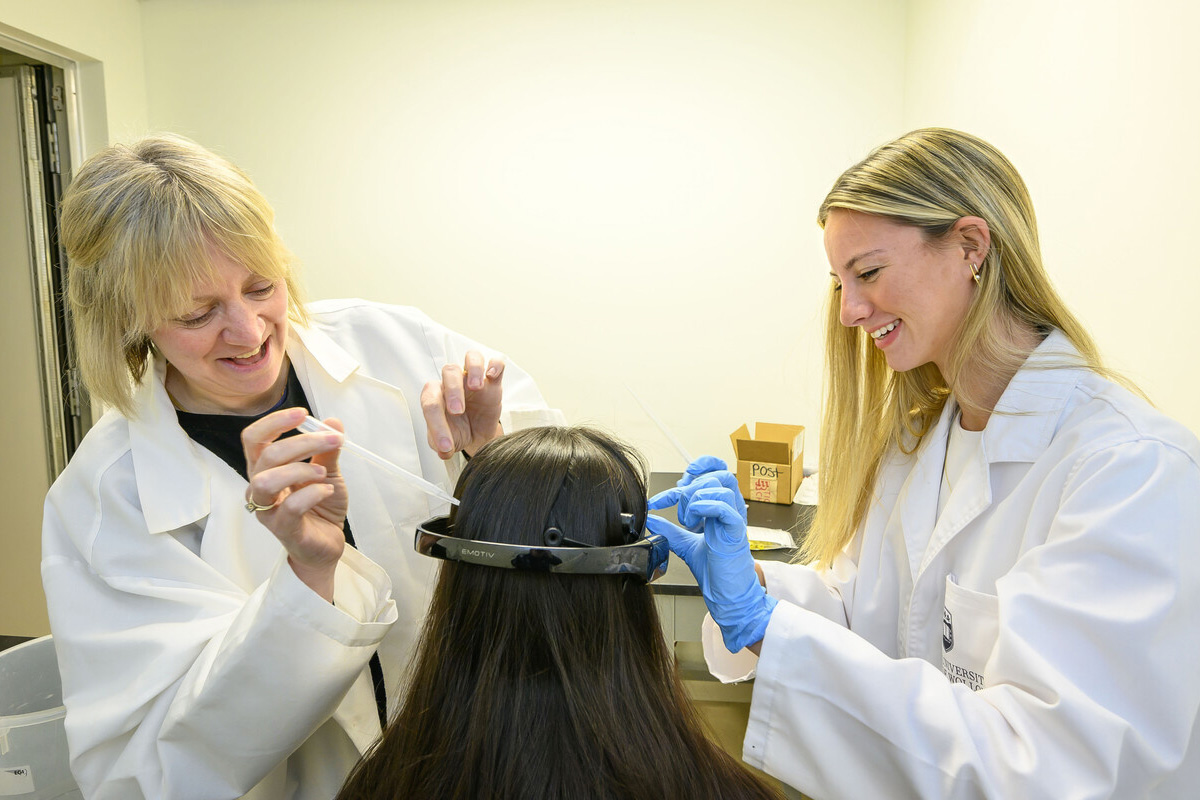
Research Labs
Explore our Psychology Research Labs and discover how you can turn your curiosity into a career.
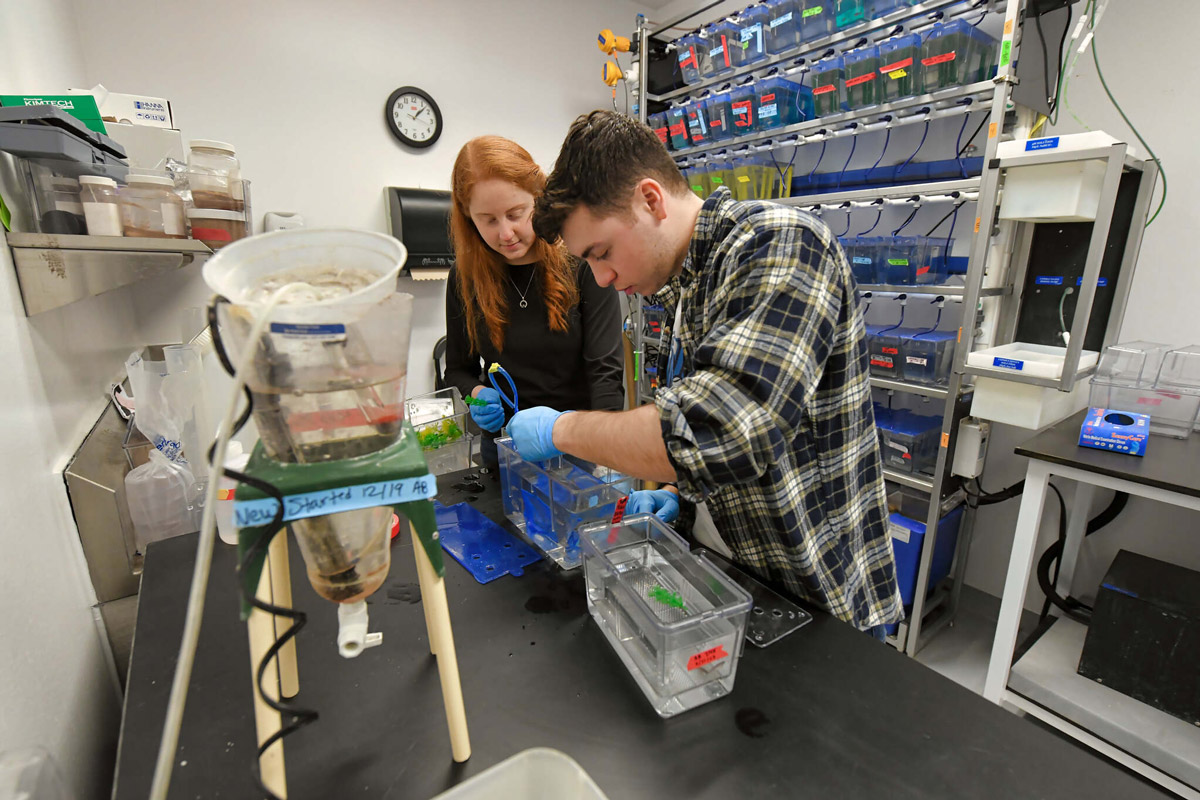
Conduct hands-on studies in animal behavior, psychology, biology, and neuroscience. Observe natural behaviors using species such as fish, birds, rodents, turtles, amphibians and invertebrates and examine anatomy, physiology, and brain–behavior relationships. All research is conducted under strict ethical oversight to ensure the humane care and responsible use of animals.
Get practical training in surgical, behavioral and tissue-analysis techniques using rodent models to study how the brain drives behavior. Learn how specific brain chemicals and neuro pathways influence memory, anxiety and social behavior. Understand how these behaviors differ by sex, age and species by exploring how early-life stress or enrichment shapes development.
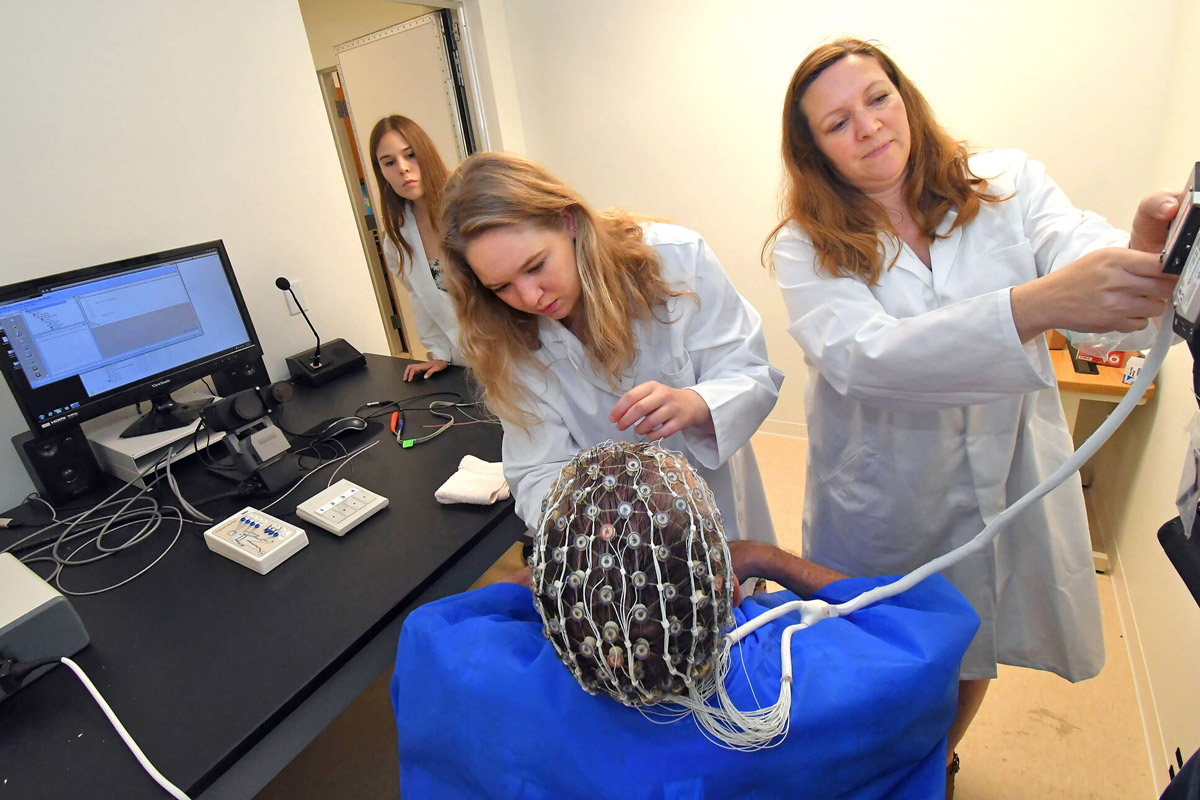
Explore the effects listening to music has on creativity and dementia while recording electroencephalography (EEG). By analyzing precise brain responses called Event-Related Potentials (ERPs), we uncover the neural mechanisms underlying attention, learning and memory.
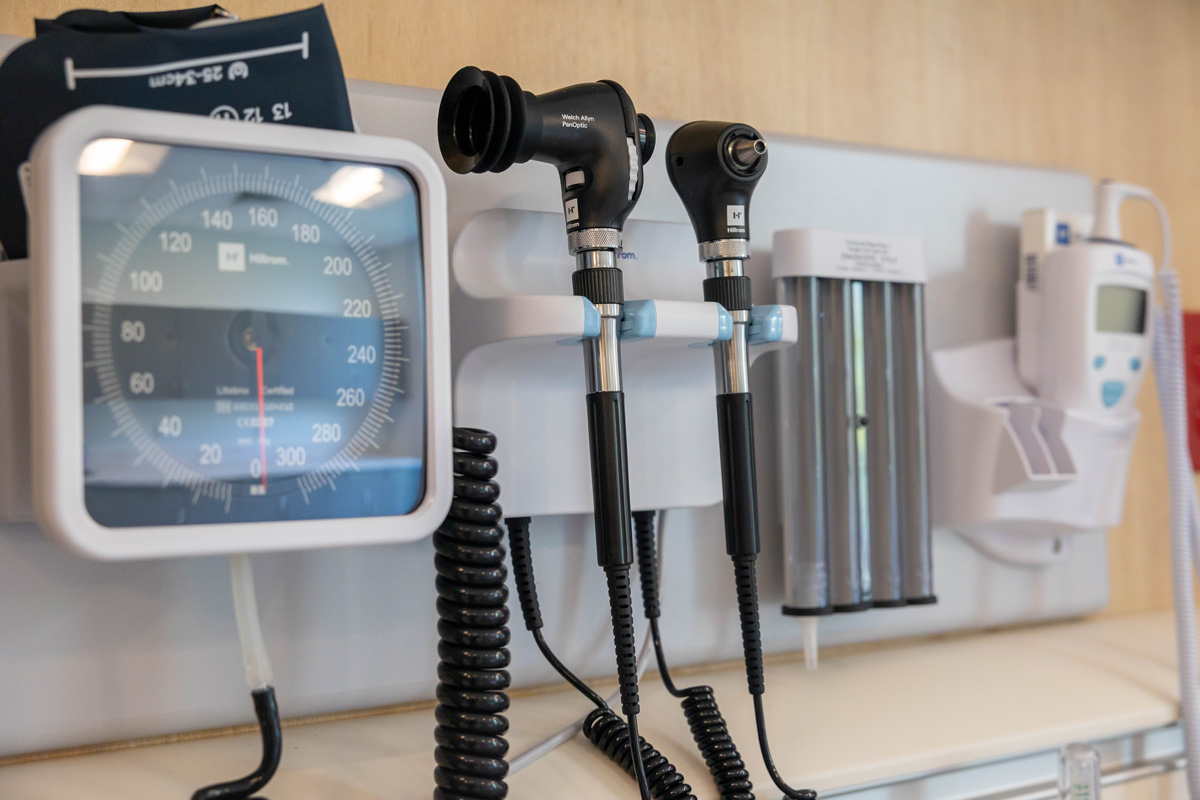
Research how social psychology—ideas about identity, motivation and bias—shapes public health, especially for groups that face social inequality. Using a biopsychosocial approach, you’ll look at how the mind, body, social environment, age, gender, race, stereotypes and prejudice shape people’s beliefs and attitudes about health.

Examine how adolescent development—including changes in self-control and emotion regulation—affects teenagers’ ability to navigate the juvenile justice system. You’ll research questions like how a teen’s competency to stand trial changes over time and how trauma is considered in legal evaluations.
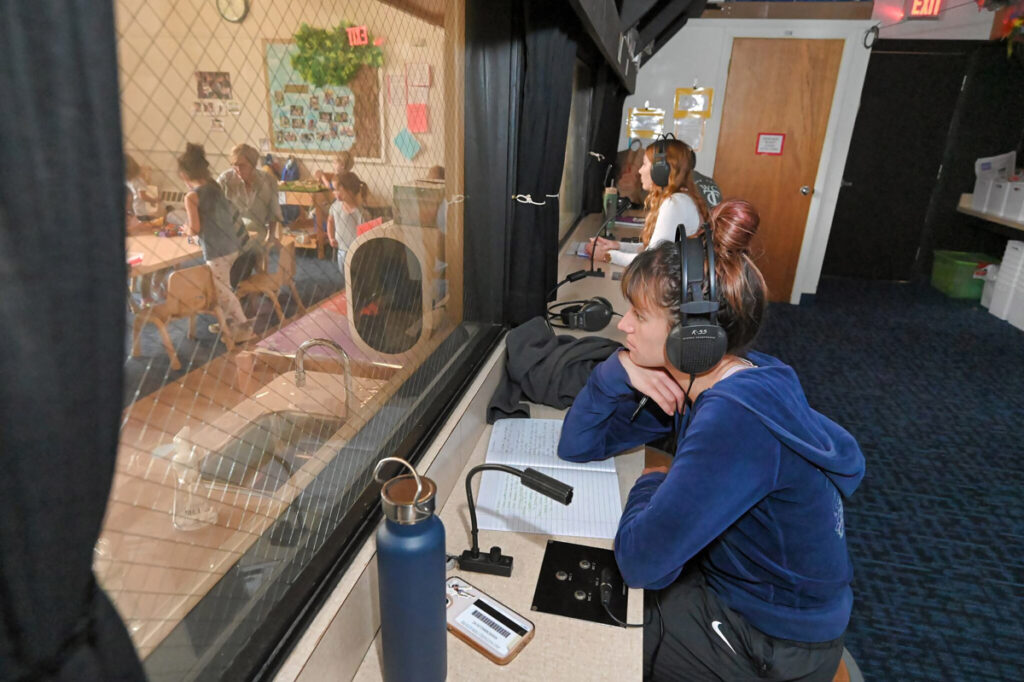
Established in 1931, our Early Education Center is a unique laboratory preschool and research hub. As a Psychology Major, you’ll research real-time cognitive, social and emotional growth in young children, via interaction or in the observation booth. Bridge academic theory with practice, work alongside expert faculty, and prepare for child-focused psychology, counseling, education and related careers.
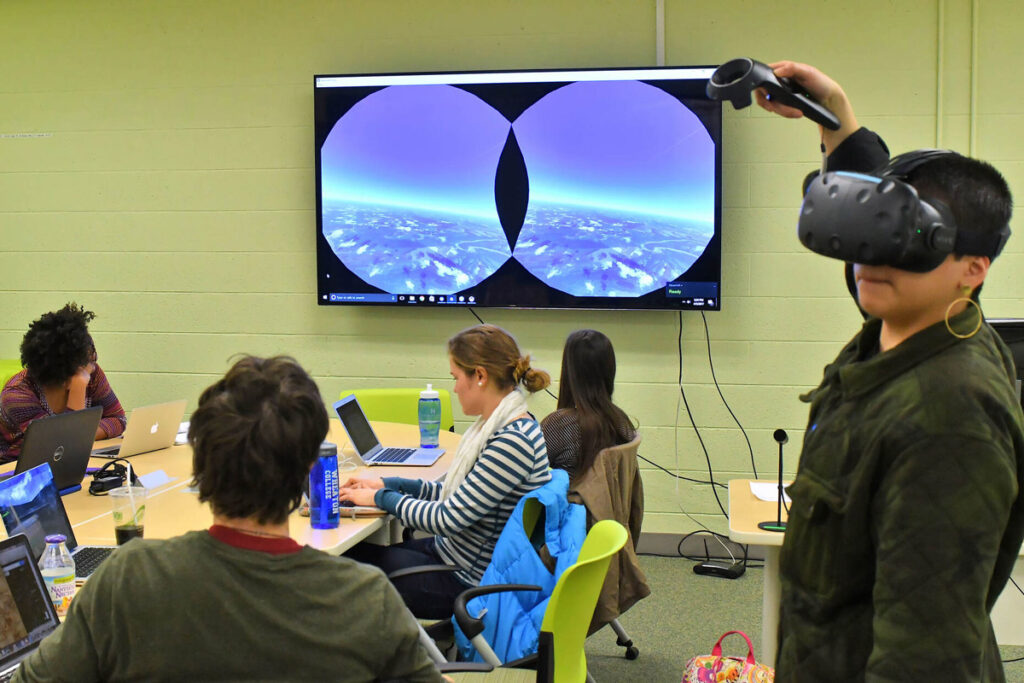
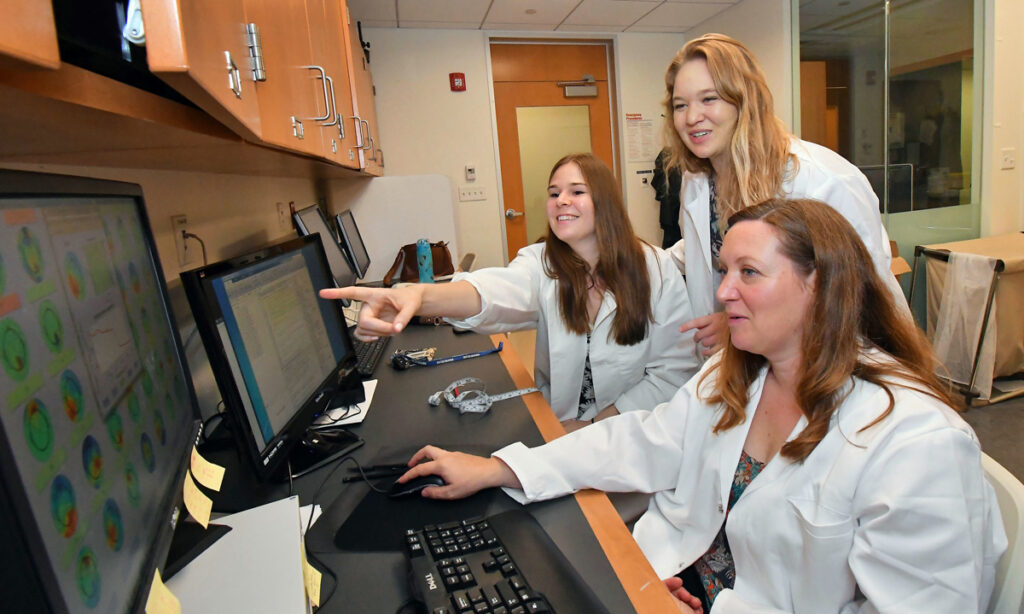
Explore how the mind interprets visual information—such as recognizing objects and noticing gaps or “visual holes.” Research how selective attention helps us filter the constant stream of sensory input. Also investigate the physiological effects of playing different kinds of video games and how it impacts perception and cognition.