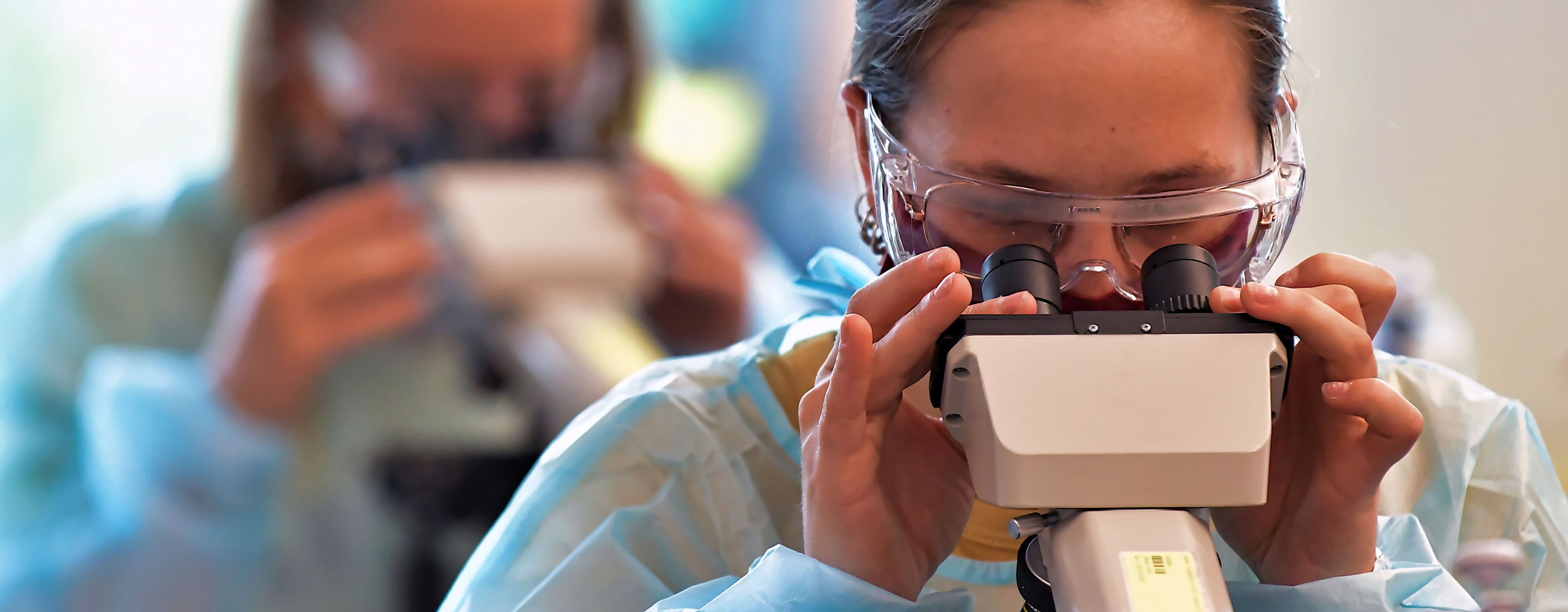
Solving crimes requires scientific knowledge, technical skill and strong ethical judgment. Our Forensic Science Program helps you develop all three. You’ll study biology, chemistry and physics and learn how to collect and analyze evidence in lab simulations and real-world contexts. You’ll also take courses in Criminal Justice to examine biases and inequities in the legal system. This comprehensive training prepares you to tackle complex cases as a skilled, ethical professional and contribute to investigations, legal proceedings and forensic research.
Why Study Forensic Science at Wheaton?
- Research Labs: Master advanced instruments to analyze trace evidence, chemicals and DNA, and create professional reports and ethical courtroom testimony
- Funded Internships: Access field experiences to explore various career paths
- Community Impact: Work with local law enforcement, crime laboratories or medical examiners to apply skills in real-world context
- Senior Capstone: Engage in mock investigations and a research project to showcase practical application, critical thinking and ethical reasoning.
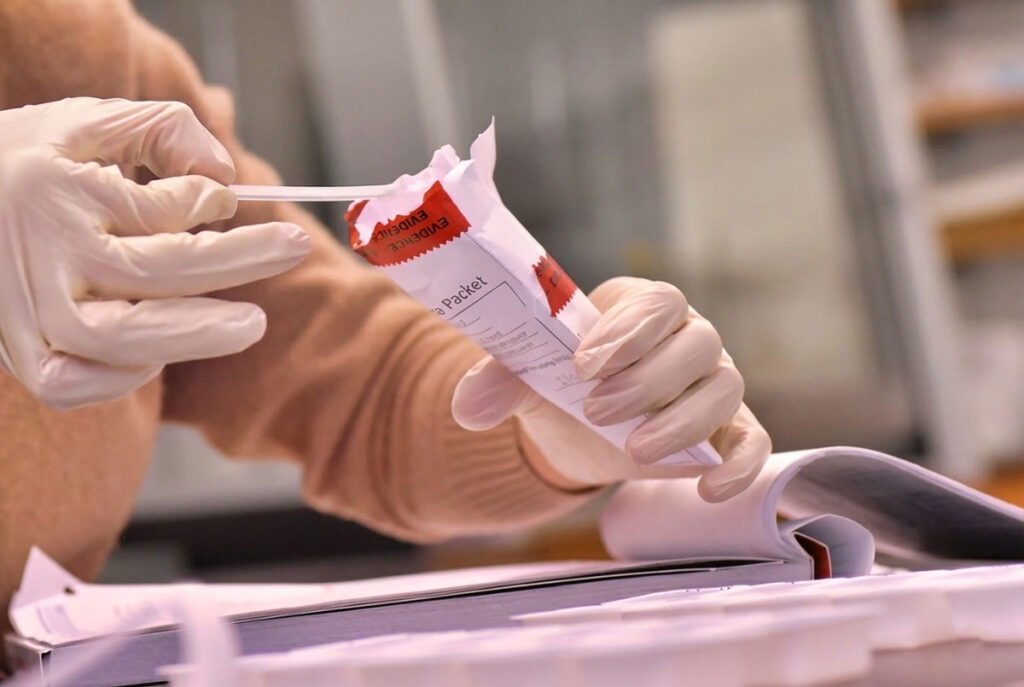
Explore Courses
Courses span the natural sciences, social sciences and humanities. Topics range from genetics and molecular biology to juvenile justice, crime and racialization, and Philosophy of Law. Here’s a roadmap of our four-year program.
Major
Forensic Science Faculty
There are no large lecture halls or teaching assistants here. You’ll learn in small classrooms with dedicated experts in their field. Our faculty have conducted research or worked professionally in the natural and social sciences. They are invested in your success and will mentor you in the classroom and lab. Meet our Forensic Science faculty to learn more about their teaching interests and research.
- Jani Benoit, Professor of Chemistry
- Raluca Cracuin, Senior Professor of the Practice of Chemistry
- Hilary Gaudet, Associate Professor of Chemistry and Biochemistry
- Dennis Kalob, Professor of the Practice, Criminal Justice, Restorative Justice and Criminology
- Christina Riggs Romaine, Associate Professor of Psychology
 Career Planning
 Career Planning
Using Forensic Science as an analogy, most career service offices jump straight to the final report (your résumé). At Wheaton, we conduct a full investigation of your interests, skills, talents and ambitions.
Starting your first semester, you’ll work with a Career Navigator in our Life and Career Design Institute. Together, you’ll create a blueprint of courses, research opportunities, internships, campus activities and other experiences that align with your personal and professional goals. You’ll continually refine this roadmap every semester, ensuring your entire Wheaton experience strategically aligns with the career path and lifestyle you want to achieve.
Related Programs
If you’re interested in a particular area of study within Forensic Science, you may also want to explore these programs: