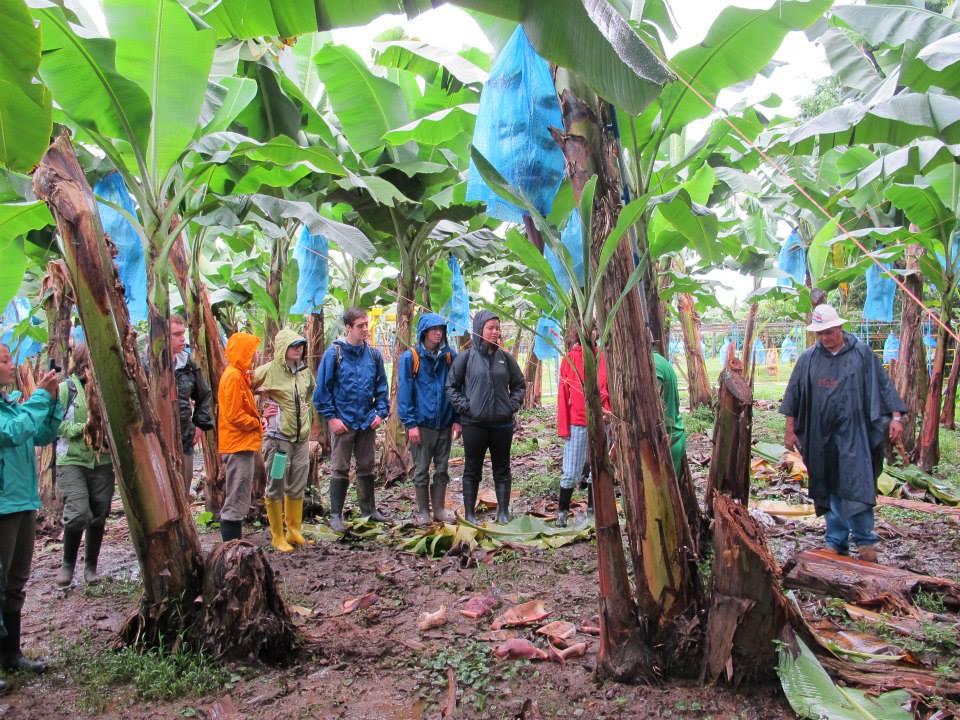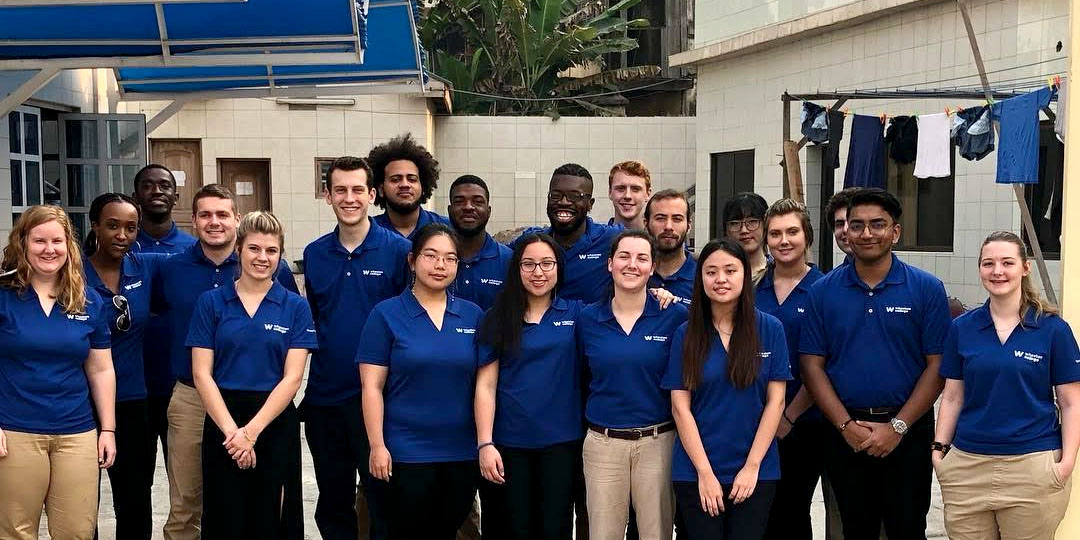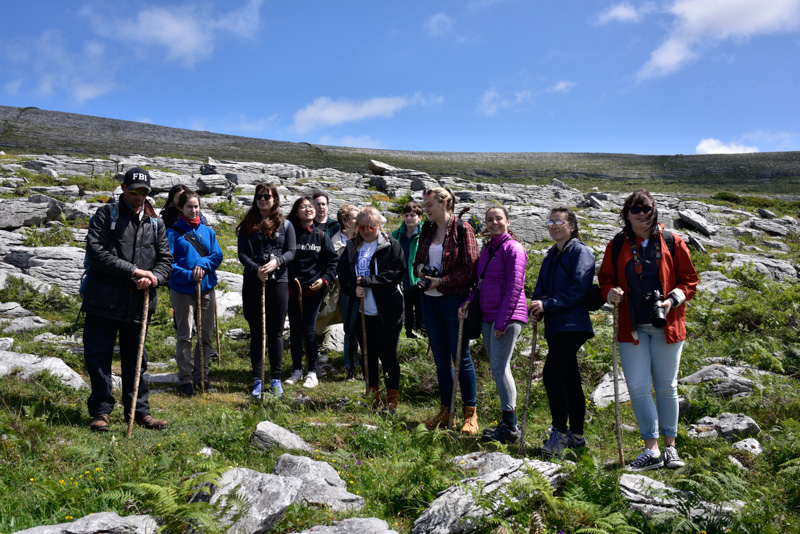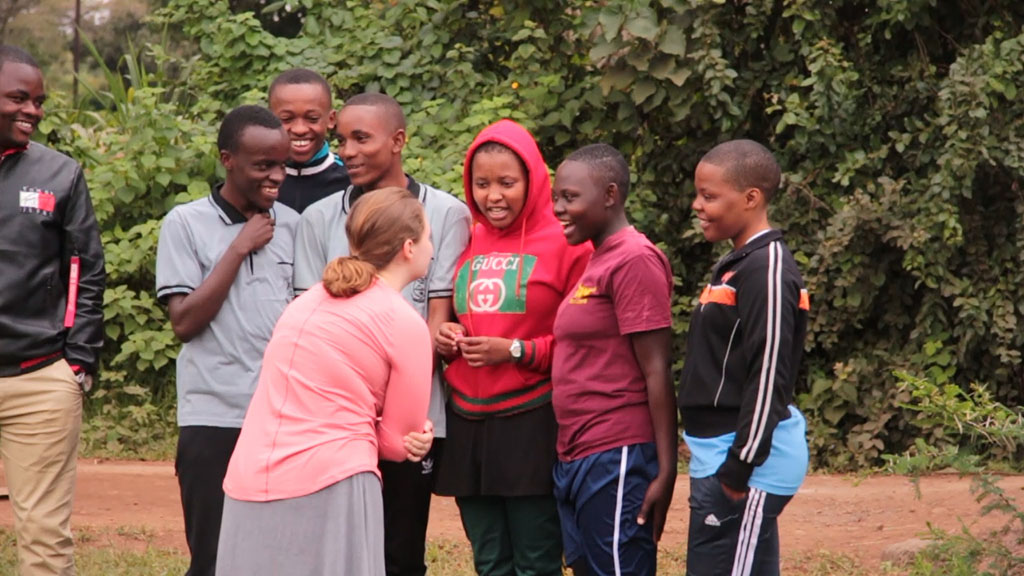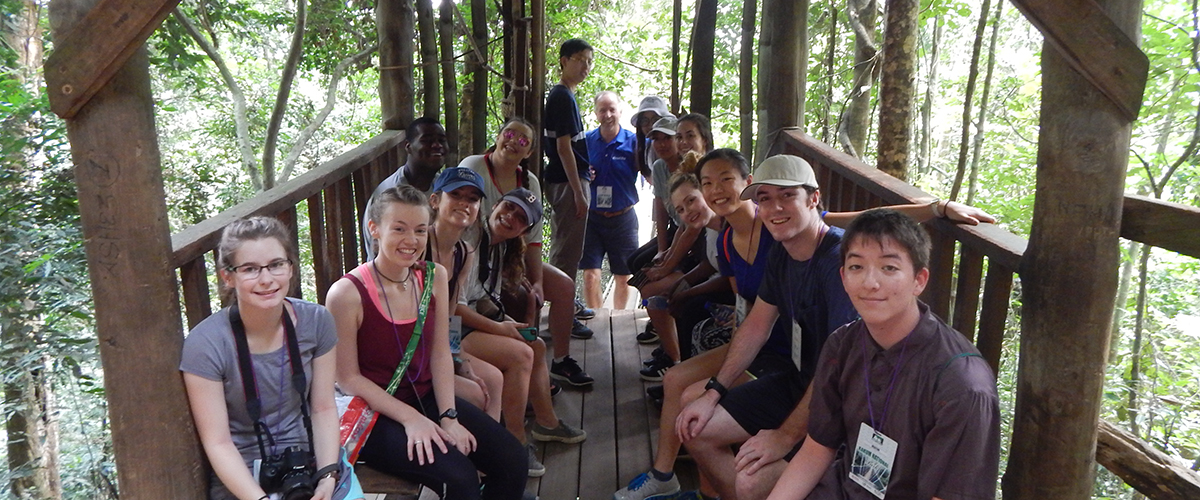
All students (first years – seniors) are encouraged to consider participating on a short-term international experience with a Wheaton faculty member. Faculty-led program offerings vary from year-to-year, and generally take place over the January or summer break. Most programs are worth four Wheaton credits.
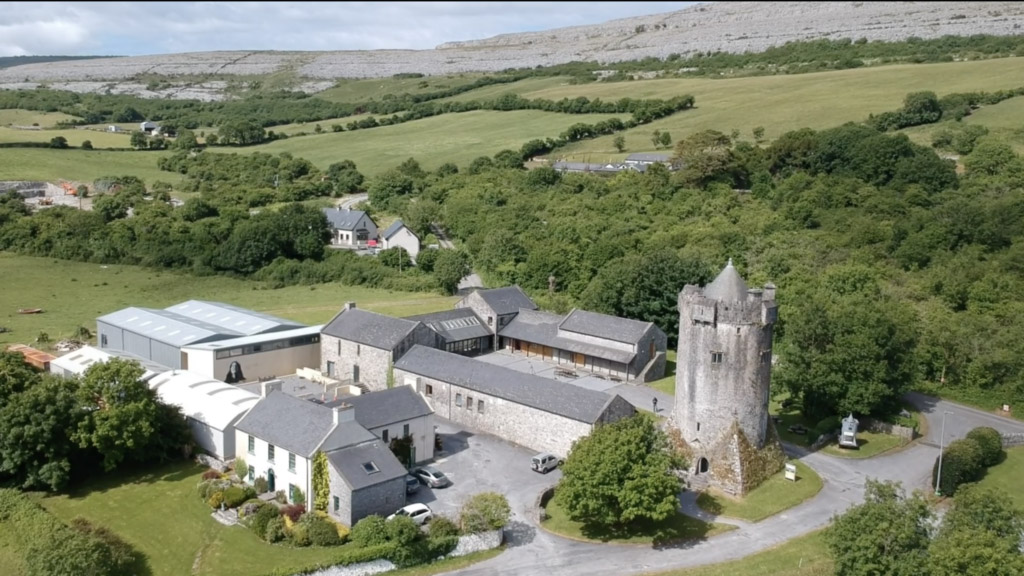
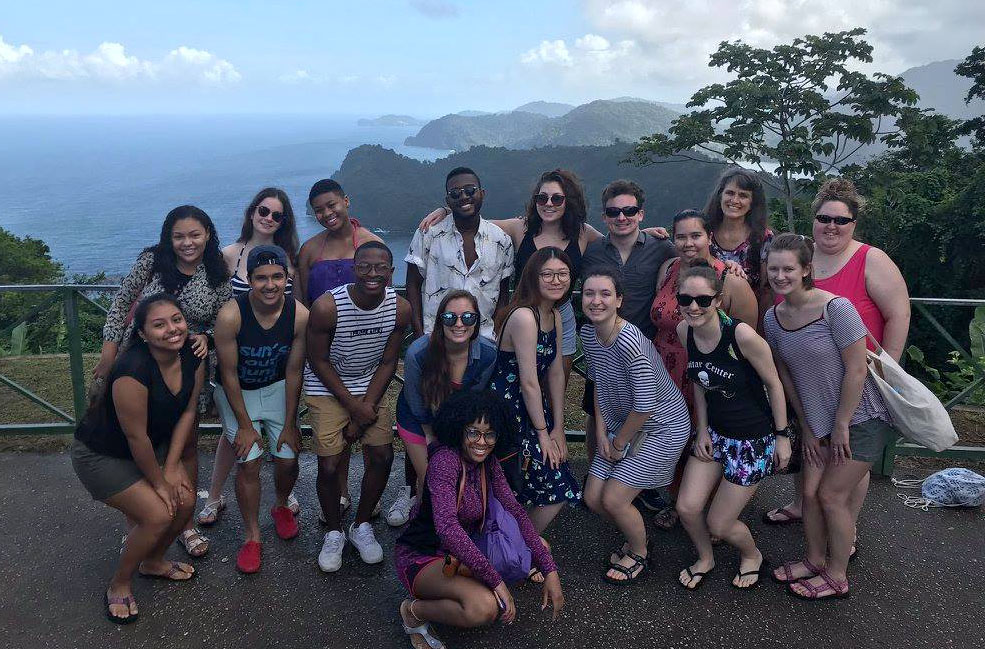
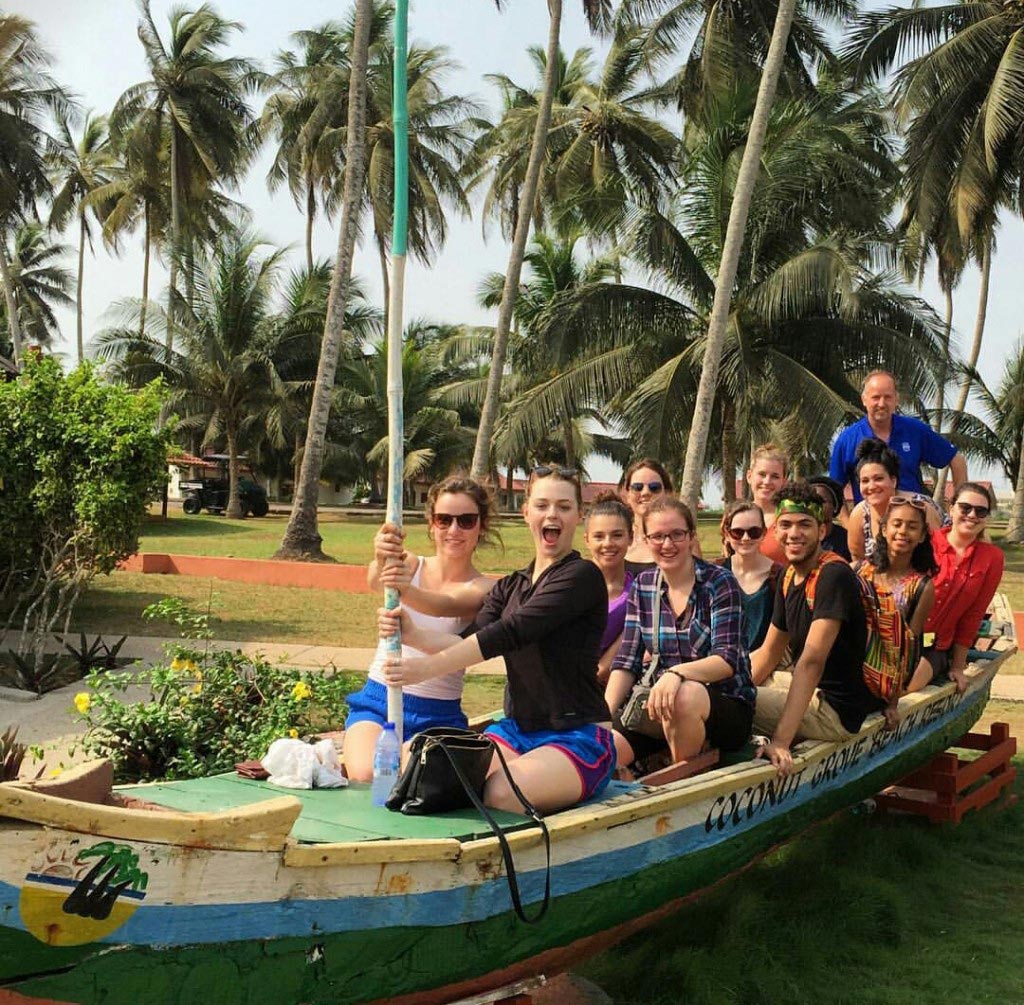
Student Eligibility
- 2.0 minimum GPA.
- Class standing (First year – Senior), depending on the faculty director.
- Good academic and social standing at Wheaton College as defined in the Wheaton College Catalog.
- Prerequisite courses may be required depending on the faculty member and/or the course designation.
- Completion of an online Wheaton Faculty-led Program application.
Admission to the program is determined by faculty director and the Center for Global Education.
Current students can learn more and apply for programs using the link below (login required):
Financing
Wheaton Faculty-Led Short-Term Programs in January and summer are an additional cost to participants. Program costs vary according to destination, duration, and included costs. Program fees will be applied to the Wheaton College student bill during regular billing cycles.
Students participating in faculty-led programs in January and summer may be eligible for need-based financial aid, after review of budgets and availability by Student Financial Services. Certain students may be eligible to use merit stipends to fund this experience. If you have an unused merit stipend, please contact Career Services for more details on your particular situation.
You may also apply for a Filmmaker in Residence position on some Faculty-led Programs. For more information and to see if this option is available, reach out to Global Education.
2024 Programs
Winter 2024
South Africa
Witnessing Contemporary African Society
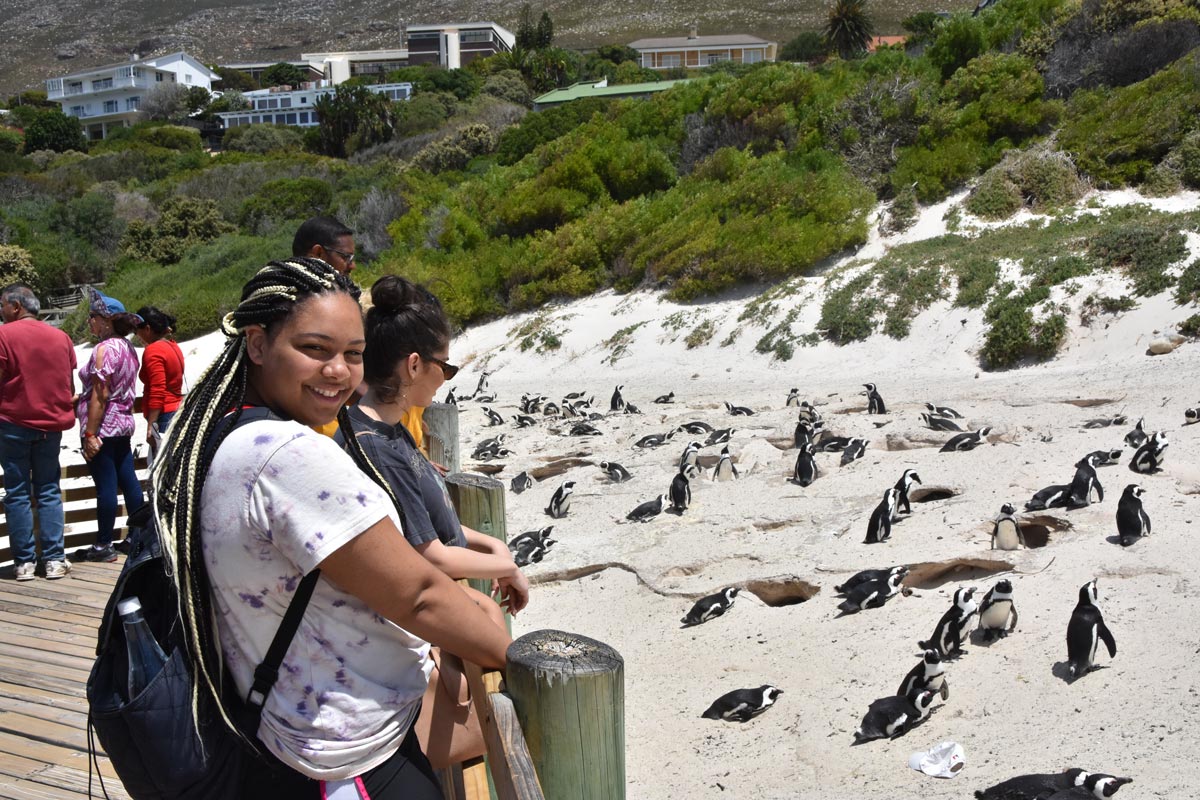
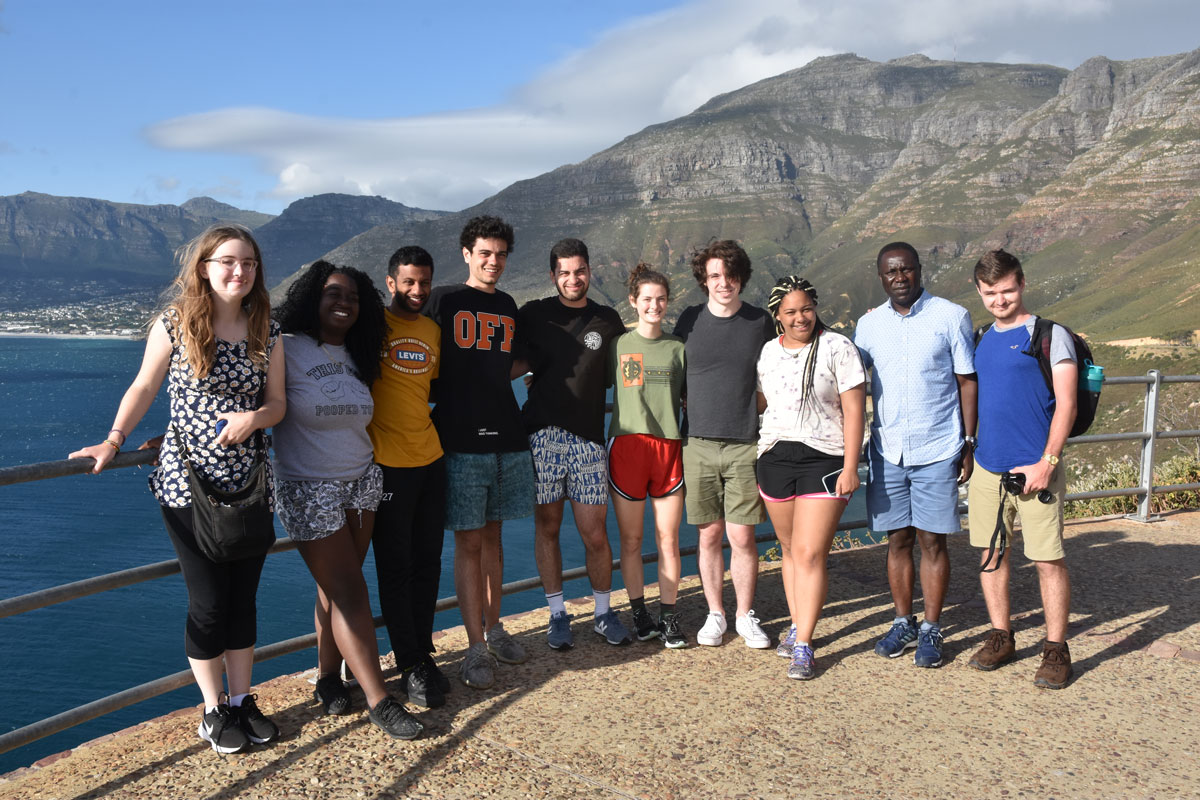
Journey to South Africa and learn firsthand about the history, politics, and culture of this dynamic country.
Location: Johannesburg and Cape Town, South Africa
Duration: January 4-January 19 (Winter)
Language of Instruction: English
Credits: 4 (AFDS 201)
Prerequisites: None
Program overview:
Witnessing Contemporary African Society is an intensive, interdisciplinary course designed to give students an exposure to and an overview of South Africa’s history and culture.
Course activities and assignments include writing critical reviews, short reflection papers, a digital story, and an independent research paper; visits to townships, historic sites, neighborhoods and museums; interactions with residents and community leaders; participation in lectures/discussions facilitated by local academics; and engagement in community service projects.

Summer 2024
London
Theatre: Culture & Critique
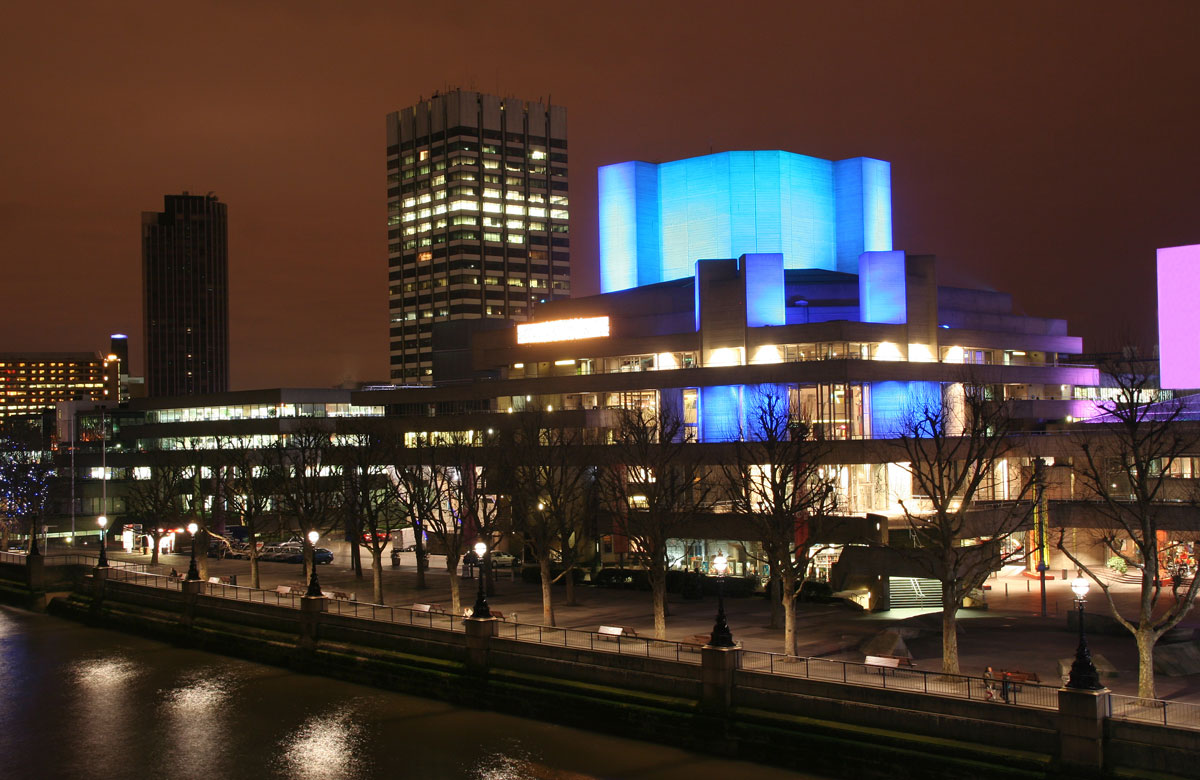
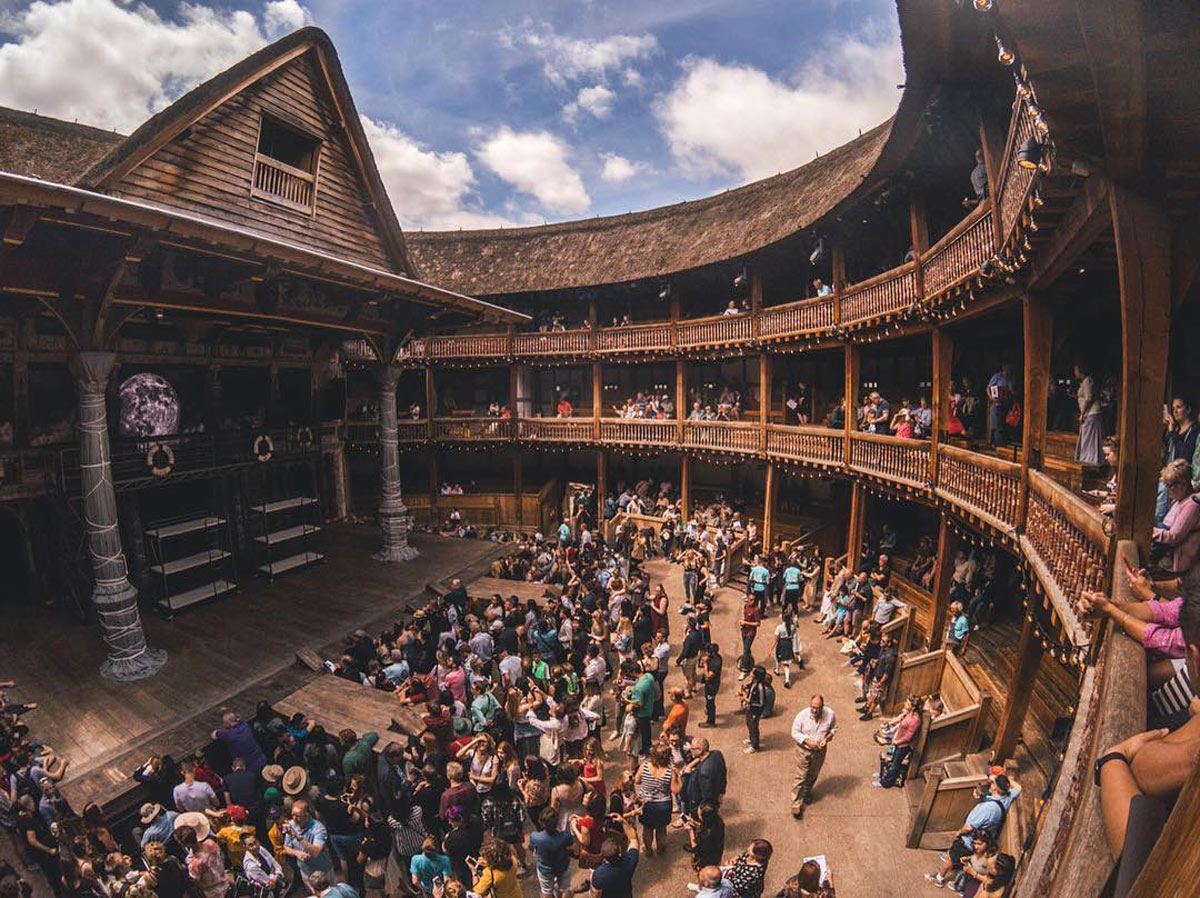
Travel to London, England to immerse yourself in plays, musicals, art and all the culture the city has to offer you. Along the way, you will discuss and learn how to critically engage with the variety of content; expanding your horizons and opening yourselves up to enormous amounts of joy and adventure.
Location: London, England; excursion to Bristol, England
Duration: 2 weeks; June 3, 2024- June 17, 2024
Language of Instruction: English
Credits: 4 (THEA398)
Prerequisites: None
Program overview:
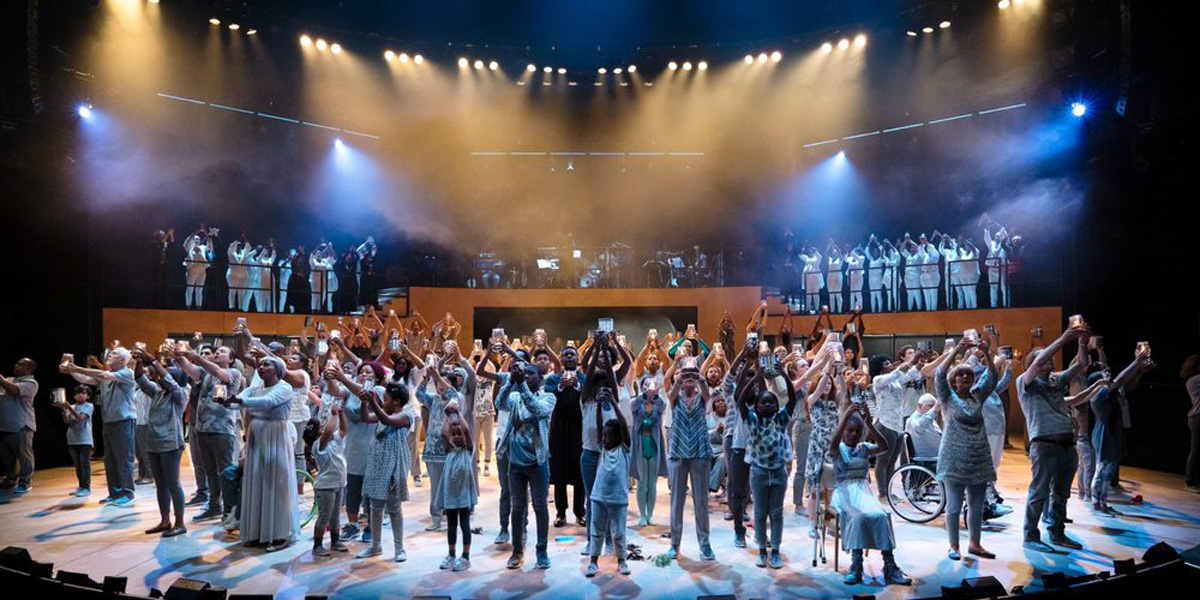
London, England has some of the best live performances found in the world. Whether it is classical or contemporary, a musical or a multimedia performance art installation, audiences are exposed to a theatrical culture that rivals other cities in its diversity of offerings and its pursuit of rigorous excellence.
You will visit a multitude of culturally rich institutions with a focus on live theatre performances from a wide range of aesthetics. You will see a variety of work and learn about theatre companies committed to producing content that pushes audiences to reimagine structure and form, while being as multicultural, globally diverse, and inclusive in their storytelling as possible.
Spain
Islamic Spain
Travel to Spain and Morocco and reflect on how the threads of history, culture, politics, and the environment itself have woven into a rich tapestry that informs modern-day intersections of climate crisis and forced migration.
Location: Granada and Córdoba, Spain; excursions to Tangier, Tetouan and Chefchaouen, Morocco
Duration: May 20-June 13, 2024 (Summer)
Language of Instruction: English
Attributes: Arts & Humanities, Global Honors, Structures of Power and Inequality, Sophomore Experience, Taylor and Lane (TL)
Credits: 4 (HISP 261)
Prerequisites: None
Program overview:
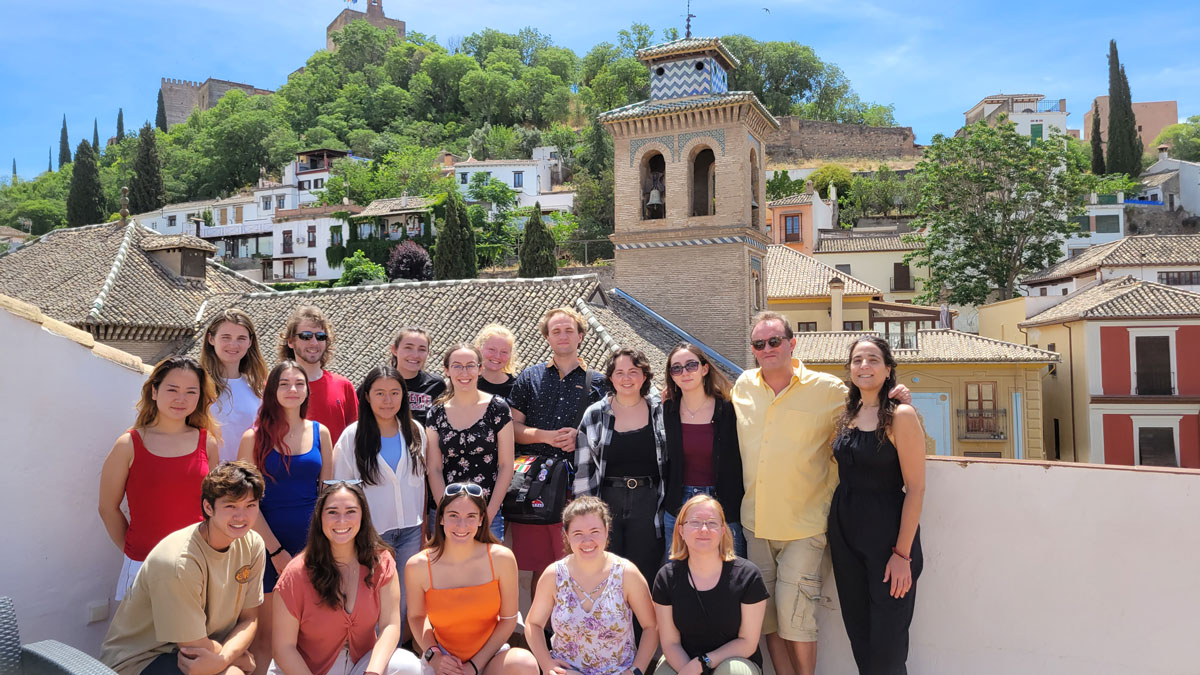
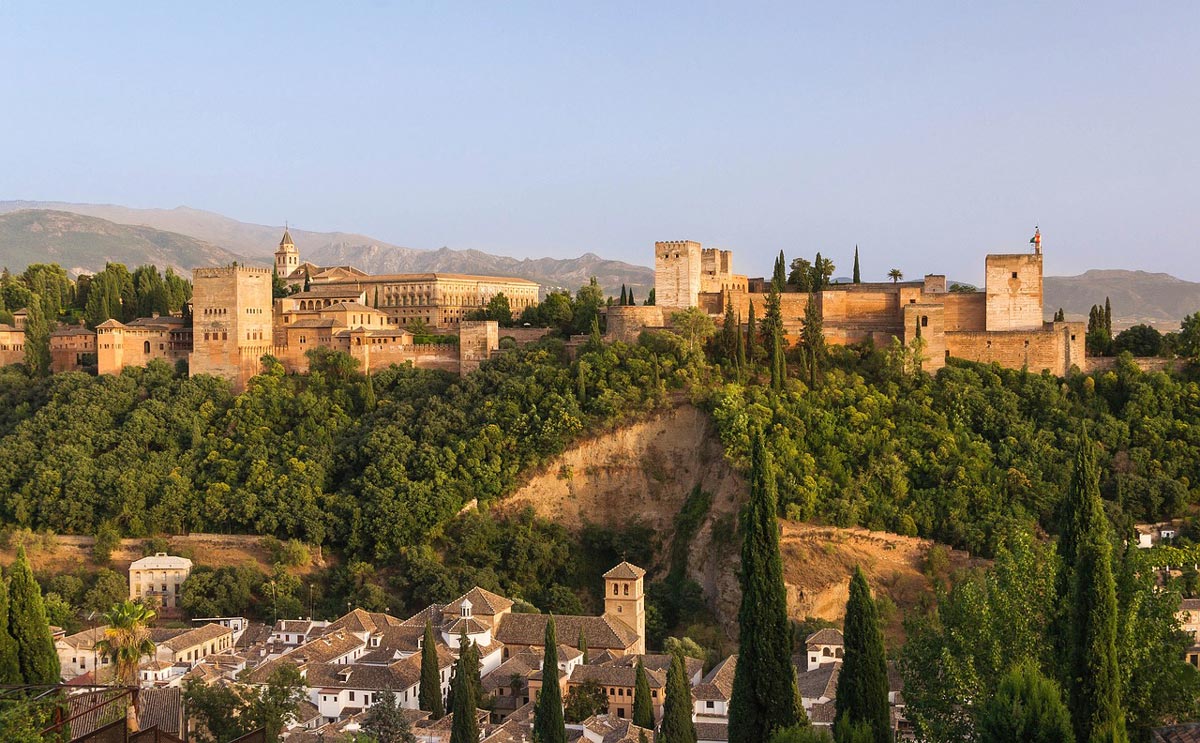
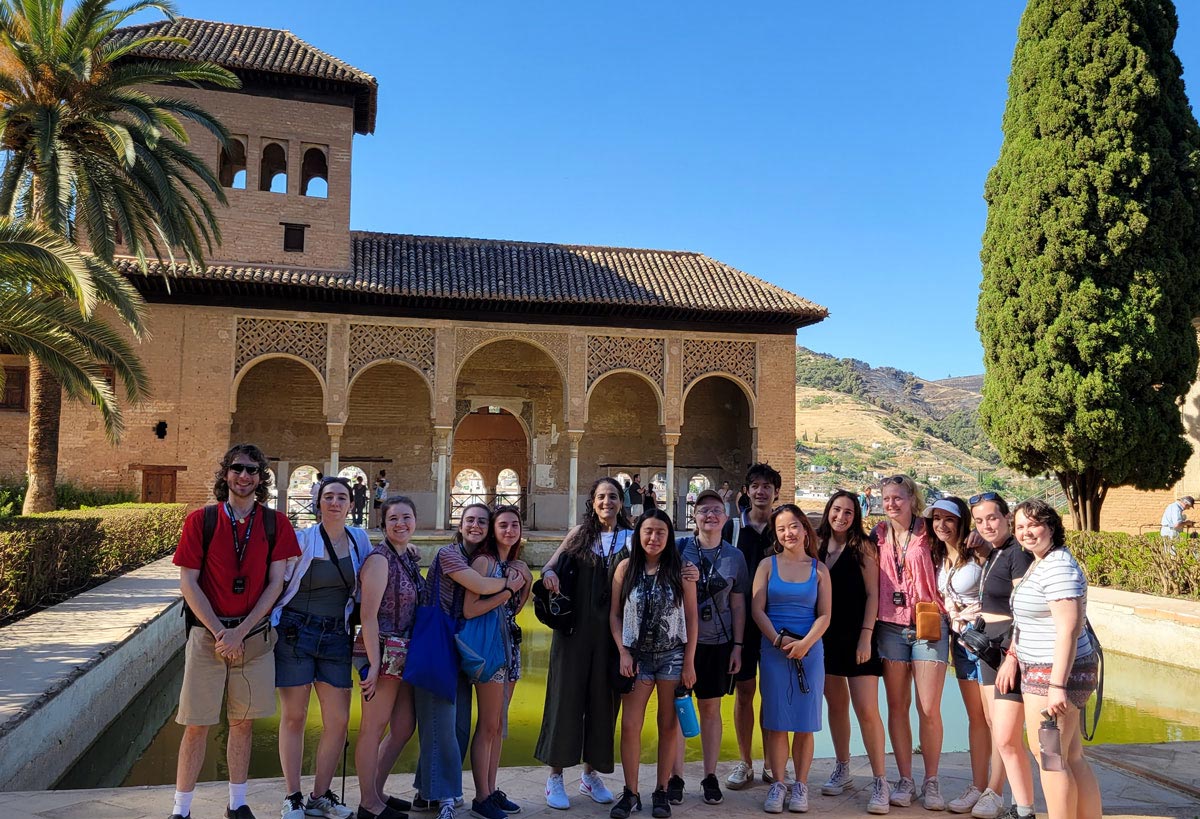
In this interdisciplinary course, students will learn about the development of Islamic culture in Granada and Córdoba, the transition to Christian political dominance and eventual elimination of Islam, and the current debate in Spain over North African immigration.
During this intensive summer course students will be able to explore the political, social and economic aspects of this history, examine the intellectual and artistic developments and achievements that the civilization of al-Andalus reached, and look at its various contemporary meanings and legacies.
Through the engagement in public performances, music, photography, language and cultural and literary texts students will develop an ability to connect past, present and future through the creation of empathy and respect for those across oceans, cultures and borders.
Watch the video by Norah Laoui, Filmmaker in Residence Fellow (Summer 2022):
Wheaton in Spain – Summer 2022 (YouTube)
Past Programs
- Costa Rica & Belize: Tropical Field Biology
- Ghana: Innovation and Social Change in Emerging Economies
- Iceland: Geology of Iceland (Summer)
- The Arts in Ireland
- Ecuador: From the Andes to the Amazon: Intersections of Culture, Food Systems and Biological Diversity
- New York City: German and Austrian Modernism and New York City
- Puerto Rico: Disaster and Reconstruction: A Field Course in Post-Hurricane Maria Reconstruction and Gender in Puerto Rico
- South Africa: Witnessing Contemporary African Society
- Tanzania: Education and Development
- Trinidad: Innovative Music Traditions of Trinidad (January)